
Blog / Little Rock Hyundai Service

Blog

All Little Rock Hyundai Service Crain Hyundai of Little Rock Little Rock Hyundai Dealer Crain Hyundai of Little Rock Service Little Rock Used Cars
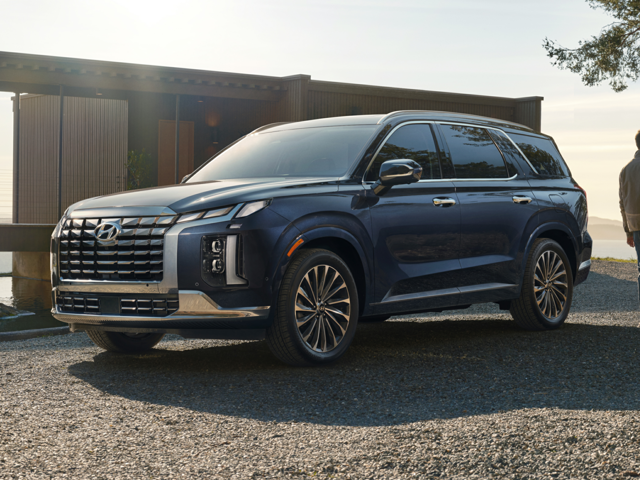
Profile view of a navy blue 2023 Hyundai Palisade. | Cars for Sale in Little Rock, AR | Crain Hyundai of Little Rock

Does Your Hyundai Have a Faulty Ignition Coil?

As a motorist, it's important that you keep your vehicle in good working order and address any issues to keep everyone safe and avoid damage to your car. That's why, if you notice any indications that your car may have a faulty ignition coil, you should get yourself down to your local Hyundai dealer at the first opportunity. That way, they'll be able to accurately diagnose the problem and perform any necessary repairs to get you safely back on the road. What Is an Ignition Coil? Ignition coils are a key component found in the engine of virtually all gasoline-powered cars. They take the electricity provided by the car's battery into the powerful bursts that the spark plugs to ignite your fuel and oxygen. This releases the energy from the gasoline and uses it to power your engine, allowing you to get where you need to go. How Do Ignition Coil Faults Develop? As with all parts of your car, ignition coils can only work well for so long. Although ignition coils are designed to last around 100,000 miles or potentially even longer, they can develop faults before this. These faults could be caused by anything from a faulty spark plug to moisture or even excessive heat and vibrations from the engine. What Are the Signs That I Have a Faulty Ignition Coil? There are a number of signs that can point to there being an issue with one of your ignition coils. The most obvious is your check engine light showing, but there are other changes to your driving experience that can also point to the same problem. If your engine starts to misfire or backfire, your car begins to stall more often, or your performance and acceleration decline, the issue may be with one of your ignition coils. What Should I Do if I Suspect My Ignition Coil Is Faulty? If you suspect that your ignition coil, or any other part of your engine, has developed a fault, it's important that you don't ignore the problem. Not only can doing so lead to more problems with your engine in the future, but it can also present a safety risk in some cases. We would also recommend against trying to address the issue yourself as this can come with a risk of injury and improperly performed repairs could make your car less safe or lead to further damage. It's far better to turn to a professional for assistance. How Can My Hyundai Dealer Help? When you choose to have your servicing and repairs carried out by a trustworthy and reliable dealership, you can be sure that the work will be performed by Hyundai experts to the highest standards. We will assess the state of your engine, accurately identify any problems, and perform the repairs necessary to have you driving safely and comfortably again in no time. Whether your Hyundai is showing signs of engine trouble or you just want the assurance that comes with a professional service, contact Crain Hyundai of Little Rock to book an appointment with us.
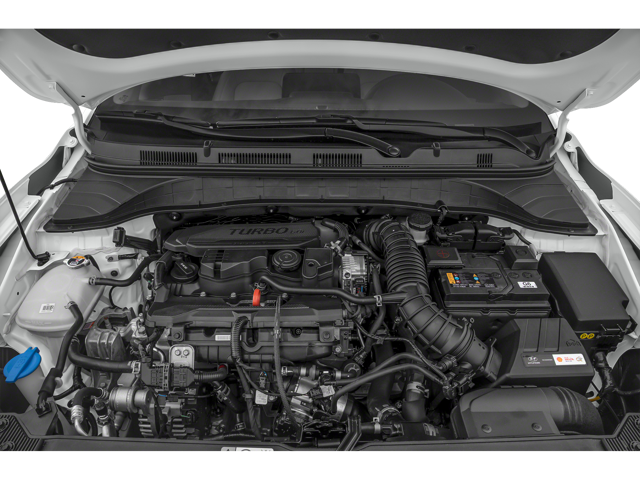
Close view of everything under the front hood of a 2023 Hyundai Kona. | Hyundai dealer in Little Rock, AR.

How Often Should You Replace Your Hyundai's Spark Plugs?

Plugs are one of the most important parts of your vehicle. They are responsible for igniting the fuel and air mixture that powers your car, so regular maintenance at a Hyundai dealer is essential for good performance and fuel economy. That's how you eliminate guesswork from the spark plugs equation. How Long Do Spark Plugs Last? Generally, plugs last between 30,000 and 90,000 miles but can be replaced sooner if there's a misfire or other performance issue. This huge difference between the minimum and maximum plug life is due to differences in driving conditions, engine configuration, and other variables. We recommend getting preventive maintenance at an authorized Hyundai service center for the best results. Mechanics in these car clinics are familiar with your vehicle and its configuration, so they are in the best position to judge whether or not it's time for a plug replacement. The last thing you want is a car that keeps stalling on you. What Happens If You Don't Replace Plugs at a Hyundai Dealer? You might experience several symptoms if you don't replace your plugs at an authorized dealership. These include: Poor engine performance Decreased fuel efficiency Difficulty starting the car Poor performance can be attributed to the old plugs not firing correctly or having unequal gaps that cause misfiring in the cylinders. A decrease in fuel economy is driven by inefficient combustion due to bad plugs. And difficulty starting the car is caused by a weak voltage that has trouble igniting the fuel and air mixture in the cylinders. Do All Plugs Need To Be Replaced at the Same Time? Plugs don't need to be replaced at the same time. If one spark plug performs worse than the others, it can be replaced first, and the other can be checked for performance later. However, it's best to get all of them replaced together. This will save time and help avoid any confusion or misdiagnosis resulting from a combination of old and new plugs. Spark Plug Gapping Gapping your plugs is also important. Plugs should be gapped to the exact specification to fire properly. If they are not gapped correctly, they will cause misfiring and other performance problems. The gapping issue happens when you get generic plugs instead of asking a Hyundai expert to provide you with the right ones. Generic plugs come pre-gapped but may not be the correct size for your engine. Now that we can all agree that plug replacement is an important part of owning a Hyundai, call Crain Hyundai of Little Rock to schedule an appointment. We will promptly replace your plugs with the right parts so you can drive at peak performance all the time.

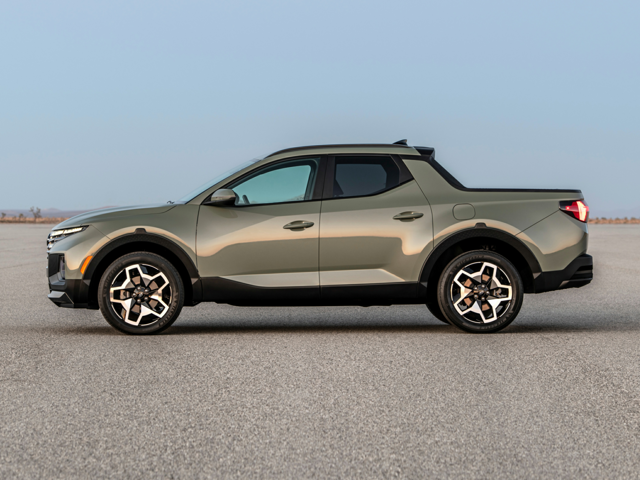
Profile view of a parked, gray 2023 Hyundai Santa Cruz. | Hyundai service in Little Rock, AR.

What Should You Do If Your Hyundai Gets Dented?

No driver wants to see a dent in their car. Dents can be caused by a variety of things, but the result is always a blemish on your car. If you have any dents, your Hyundai dealer has the expertise and technology to easily repair them for you. Some drivers prefer a DIY approach and want to fix the problem themselves. These are the two options for repairing car dents. DIY Approach If you enjoy DIY, you may want to try removing the dent yourself. There are several different methods you can use depending on the type of dent and its location. These are some of the ways you can remove a dent at home using common household items. Plunger A plunger can not only clear a blockage, but it can also help in removing dents. Use a clean plunger and fit it around the dent you want to remove. Once the plunger is securely attached, pour water over the head of the plunger and the dented area. Push the plunger in and out as you would when you're clearing a blockage. This method can be helpful on small dents, as the dented area must fit inside the rubber head of the plunger. It can take some time, but you should see the dent pop out again. Hairdryer This method uses a hairdryer, aluminum foil, and a piece of dry ice the size of the dent. To start, heat the dented area with the hairdryer. Once the dented area is warm to the touch, spread the aluminum foil over the dent. Put on work gloves, and rub the block of dry ice over the aluminum foil. The rapid change in temperature between hot and cold should cause the dent to pop out very quickly. You can also use a can of cold compressed air as an alternative to dry ice. Visit Your Dealer Removing a dent yourself can be satisfying but requires time and effort you may not have available. The above methods and all other DIY solutions will only work on minor dents. Depending on the location of the dent, DIY may not work at all. As your dealer, we have a state-of-the-art repair facility and Hyundai-trained technicians available to fix the problem. We have the technology to swiftly remove dents of any size from your car and return it to like-new condition. Dents sometimes involve damaged paint, and we can match your car's color in our paint shop. Our technicians are also experts at repairs and can remove a dent for you very quickly. Call our service department today at Crain Hyundai of Little Rock. Our technicians can remove any dent or damage.

Interior view of the driver side of a 2021 Hyundai Sonata. | Hyundai dealer in Little Rock, AR.

4 Car Safety Features You'll Find on Today's Hyundais

It doesn't matter how good your car looks, how smoothly it drives, or how precisely it handles: if you don't feel safe behind the wheel then you won't enjoy the drive. That's why Hyundai has made sure that their vehicles are equipped to protect you and your passengers, with advanced driving technology as standard. Read on to find out about some of the car safety features you can discuss with your Hyundai dealer. 1. Forward Collision-Avoidance Assist No matter how carefully you drive, it's impossible to predict exactly how other vehicles might behave. However, Hyundai's automatic emergency braking feature gives you assistance when it comes to reacting to unexpected obstructions, working to prevent the vehicle from crashing into obstructions in front. Using radar sensors and a camera mounted on the windshield, the system detects when a collision is imminent, warning the driver and even applying the brakes to avoid or lessen the impact. 2. Lane Departure Warning Designed to prevent your car from drifting into another lane, Hyundai's lane departure and lane keep assist systems use cameras on the front windshield to identify lane markers. If a momentary lapse of attention means that you start to coast over the lines, the feature will issue a visual and auditory warning before gently steering your car back to safety. 3. Blind Spot Collision-Avoidance Assist On a busy freeway, it can be difficult to keep tabs on all of the cars in your proximity and easy to miss vehicles in your blind spot as you begin to merge. Using sensors in the rear bumper, Hyundai's blind spot monitoring system identifies when it might be dangerous to change lanes. If you prepare to merge by indicating, your car will issue a warning noise, illuminate the wing mirror, and may also briefly activate the brakes to prevent or lessen a collision. 4. Parking Safety Hyundai has also included a number of features to support you in parking safely. The rear cross-traffic safety system functions when the vehicle is in reverse, and is used to detect vehicles traveling behind. It will issue a warning and may apply the brakes momentarily to prevent a collision. Talk to Your Hyundai Dealer These safety features are now standard on most Hyundai models and available on all of them. For more information, and to find out how to activate these features before driving, ask your local Hyundai salesperson for more details. Staying safe on the road is still ultimately your responsibility as the driver, but these features mean that you'll have an extra set of eyes and a helping hand when it comes to careful driving. Visit us at Crain Hyundai of Little Rock and let our friendly sales team assist you in finding the perfect vehicle to meet your needs.   Image via Hyundai.

A red 2021 Hyundai Kona being driven on the road. | Hyundai dealer in Little Rock, AR.

8 Car Maintenance Tips From Your Hyundai Dealer That Will Keep Your Hyundai Running Smoothly for Years

Good car maintenance starts with top-quality Hyundai services at your Hyundai dealer and a little extra care from you. If you look after your car and get your Elantra, Sonata, or Palisade serviced regularly, your Hyundai will give you hundreds of miles of driving pleasure. 1. Rely on Expert Maintenance Services When it comes to maintaining your Hyundai, rely on the experts who know your car. The technicians at your dealership are factory-trained, use advanced technology and equipment, install genuine Hyundai parts, and will ensure that your vehicle always runs like new. 2. Follow the Maintenance Intervals Every Hyundai model has a service schedule with factory-recommended maintenance intervals to help you keep your car in tip-top shape. When you follow the factory-recommended intervals, your vehicle will be reliable, fuel-efficient, and safe, and you will save a ton of cash on repair costs. 3. Change the Oil at the Recommended Intervals Engine oil keeps the moving parts lubricated, reduces friction that causes wear, and helps to keep the engine running at its best. Change your Hyundai's oil at least once a year to avoid engine damage. Check your owner's manual for your specific model's oil change intervals. 4. Regularly Check the Fluid Levels Your Hyundai relies on fluids to keep the moving parts cool and lubricated. Check the levels of the oil, coolant, brake, power steering, and transmission fluid monthly and top them off when necessary. 5. Check for Leaks Make a habit of checking the ground where your car was parked for puddles. If you see wet spots, your car could be leaking fluid. It's best to get the leaks repaired as soon as possible before it causes more damage that could lead to high repair costs. 6. Don't Ignore Strange Sounds and Odors When you hear a new sound, especially from under the hood, or smell a strange odor, it's a sign that something is wrong. It might be a minor issue that's easy to fix or a problem that needs urgent attention. To be safe, ask your Hyundai technician to take a look. 7. Routinely Inspect, Inflate, and Rotate Your Tires Walk around your car at least once a month and inspect your tires thoroughly. Check the tread depth and look for damage. Regularly check your car's tire pressure and keep the tires inflated to the proper levels. Ask your Hyundai technician to rotate your car's tires every time the oil is changed to ensure even wear that will make your tires last longer. 8. Wash and Wax Your Car A wash once a week and a wax at least twice a year will protect the paint against damage caused by road dirt, tree sap, and bird droppings. The wax is a shield to protect the paint from minor nicks and scratches and prevent rust. Maintaining your car is easy and hassle-free with expert assistance from the qualified Hyundai technicians at your dealership. Stop at Crain Hyundai of Little Rock today, and the skilled Hyundai technicians will help you keep your ride in tip-top running condition.   Image via Hyundai.

Front view of a dark gray 2021 Hyundai Elantra. | Hyundai dealer of Little Rock, AR.

3 Engine Problems You Should Always Get Fixed at Your Hyundai Dealer

The advanced, fuel-efficient engine is one of the reasons you chose your Hyundai. Your engine, like all mechanical systems, requires regular servicing to keep it in great condition. Over time, parts can wear or get damaged, which can result in engine problems. Your Hyundai dealer in Little Rock, AR, can repair any problem for you. These are samples of some possible problems we can fix. Failing Oil Pump Oil is essential for your Hyundai. It's pumped through the engine and lubricates all the moving parts. Lubrication is essential, as your engine has thousands of parts, and many of these parts generate friction. If your engine lacks oil, parts can be damaged or grind to a halt. Any damaged parts will affect the smooth running of your engine. The constant flow of oil also helps to reduce your engine temperature. Oil is pumped through the engine by the oil pump. If this component fails, oil won't move through your engine, which will start to overheat and suffer damage. A failing pump will cause the check engine light to illuminate, and you'll also see a steady increase in engine temperature. Our technicians can test the pump and replace it if it's failed. Damaged Catalytic Converter A catalytic converter converts dangerous chemicals produced by combustion into less harmful ones. This conversion reduces airborne pollution from exhaust smoke and enables your engine to operate more efficiently. A converter has a lifespan of approximately ten years, but it can become blocked or damaged before this. If the converter is damaged, you'll see that your exhaust smoke changes from thin, white smoke into foul-smelling thick black smoke. This change is caused by large amounts of carbon, unburnt fuel, and other combustion byproducts that haven't been converted. The carbon produced by combustion can also block the converter, which leads to further problems. We can unblock or replace the converter to fix this problem. Coolant Leak Your engine is a very hot place due to the heat generated by combustion and the numerous moving parts. The heat generated by the engine must be controlled to prevent overheating and potential damage. Liquid coolant is pumped through the engine, and it absorbs heat as it moves. The trapped heat is transported to the radiator where cooling takes place. Coolant is available in various colors, including pink, blue, yellow, and green. If you see liquid in any of these colors leaking or pooling underneath your car, you have a coolant leak. Our technicians are experts at tracing and repairing a leak, and we will find and fix the problem. If you're worried that you may have a problem with your engine, call us ASAP at Crain Hyundai of Little Rock.   Image via Hyundai.

Close view of the front of an reddish-orange 2020 Hyundai Veloster with the headlights on being driven on the highway.| Hyundai dealer in Little Rock, AR.

3 Signs It's Time to Get New Headlights

Good, working headlights are essential for safe driving at night or in any other low visibility conditions. When you're driving in restricted visibility, you need the certainty of knowing that your lights will show you the way ahead. When you need new headlights, your Hyundai dealer can fit them for you. These are some signs that you need new lights. Your Bulbs Are Old Headlight bulbs have a limited life. Their longevity ranges from 500 to 30,000 hours depending on the type of bubs you have. While these figures might not seem long, your headlights aren't used all the time. When your bulbs are close to failing, they'll usually shine dimmer than they used to. You might also see that the bulbs start to flicker. If one of your bulbs blows, we advise that you replace both of the bulbs. Headlight bulbs are installed in pairs. If one bulb has failed, the other one will likely fail in a day or so. If you replace both bulbs at the same time, you save the inconvenience of a return trip. Your Lenses Are Damaged The lenses are the clear plastic coverings that fit over your headlight recesses. They're designed to allow light to shine out and to protect the bulbs and the electrical system from damage. Since the lenses are made from plastic, they can get scratched or cracked by road debris. Cracked lenses look ugly, and they're also an offense. You can receive a ticket for driving with damaged lenses. A crack in a lens can also cause damage to your headlights. Water can enter the recess through the crack. Once inside, the water can corrode the lightbulb socket or cause a short in your electrical system. Our technicians can repair either of these problems and replace your lenses. You Frequently Replace Bulbs As we saw above, different types of headlight bulbs have different lifespans. At a minimum, however, you shouldn't need to replace your headlights for a least a year after you install them. If you find that you have to replace your bulb more frequently, this suggests you have a problem in your car. One possible cause of frequent bulb replacement is a weakening alternator. Your alternator supplies all of your car's electrical power. As the alternator gets older, it produces less power. When the alternator can't supply all the power, your car's computer will need to shift the available power according to need. You may notice that your lights become dim and then bright. The shifting power supply will cause your bulbs to blow more frequently. When it's time for new lights, come and see us at Crain Hyundai of Little Rock. Image via Hyundai.

A red 2020 Hyundai Venue parked in a spacious garage with two people arranging things near the wall. | Hyundai service center in Little Rock, AR.

Car AC Not Working? Visit Your Hyundai Dealer Today

Is your car AC not working? The team at Crain Hyundai of Little Rock is no stranger to car AC issues, so we've put together a quick list of signs that you can look for to determine the cause of your Hyundai AC issues. We'll also take a look at how your favorite Hyundai dealer can help you resolve your car's AC problems and get you back out on the road. Electrical Failure First on our list of signs to look for to determine the cause of your vehicle's AC problems is an electrical failure. Electrical issues are perhaps the most difficult problem to diagnose when it comes to an AC unit that has stopped working, due to the complex nature of vehicle wiring. To find electrical issues, you'll need to conduct a visual inspection of all the wiring to see if any wires are broken or frayed. Cooling Fan Failure Next on our list of signs to look for to determine the cause of your vehicle's AC problems is cooling fan failure. When cooling fans aren't functioning properly, your condenser may not receive adequate cooling. Your vehicle's condenser is supposed to re-cool hot refrigerant once it has been compressed by using the airflow that comes through the front of your car as you drive. For that reason, eventually, a failing cooling fan can cause your car to start emitting only hot air. The best way to check if the cooling fan is broken is through a visual inspection. Compressor Failure Last on our list of signs to look for to determine the cause of your vehicle's AC problems is compressor failure. Your Hyundai compressor keeps your AC moving at all times. Without the compressor, the AC unit's refrigerant cannot circulate through the system and you'll never get any cold air. The most common reason that a vehicle's compressor fails is when the system goes for long periods of time without use. The lack of use tends to shock the system when it finally is used again such as in the spring or summer after being dormant all winter long. Contact Your Hyundai Dealer to Resolve Issues With Your Car AC Not Working Whatever the cause of your AC issues, reaching out to your local Hyundai specialists is the next step you should take. These professionals have experience with a wide range of vehicles, such as the ever-popular 2022 Hyundai Elantra, and can conduct detailed inspections on the fly to determine the cause of your Hyundai's AC issues. That's it for our quick look at a range of AC issues and what you can do about them. To get help resolving your AC issues, reach out to the team at Crain Hyundai of Little Rock today! Image via Hyundai.

A gray 2020 Hyundai Tucson being driven on the road. | Hyundai service in Little Rock, AR.

Electrical Problems? Visit Your Hyundai Dealer Today

Your car's electrical system includes a battery, a starter, and an alternator. When any of them malfunctions or fails, you will start to have all sorts of vehicle problems, from dimming headlights and blown fuses to smelling electrical odors and struggling to start your car. If you suspect your Hyundai Accent, Venue, or Elantra has electrical problems, get to your Hyundai dealer, and the qualified technicians will fix your vehicle's electrical issues in a flash. Your Brake Lights and Headlights Are Dim or Flicker If your car's brake lights and headlights are dim, various electrical issues, such as low voltage, a weak battery, loose wires, or a problem with the alternator belt, could be causing the issue. A voltage drop could affect your vehicle's safety systems and prevent them from working correctly. You Have Issues With Your Car's Electrical Components Your car's components are all powered by electricity. If there's a problem with the electrical system, you will have trouble with your car's entertainment system, the heated seats, the electric windows, and your sunroof. You Have Battery Problems If you have electrical issues, it could be your car's battery. A car battery is at the heart of the electrical system, and when the battery is weak, the cables are loose, there's a bad cell, or there is corrosion around the terminals, you'll have all sorts of electrical issues. Battery problems could also be due to a failing alternator. Ask your Hyundai technician to perform a battery inspection and test to determine if it's time to replace the battery. You Struggle With Blown Fuses Blown fuses are a sign there's an electrical issue and that something is drawing too much current, blowing the fuses. If you regularly have to replace fuses, ask your Hyundai technician to take a look and fix the issue. It's Hard To Start Your Car The alternator charges the battery, and the battery provides the power to start the engine. A weak battery will make it hard to start your car, but it could also be due to a failing alternator not charging the battery properly. If you start your car and it stalls immediately, there's a problem with the alternator not keeping the battery charged. You Smell a Burning Plastic or Electrical Odor The electrical system has a lot of wires, components, and fuses, and many are wrapped in plastic tubing for protection. Electrical issues can cause the plastic around the cables, or connections get hot enough to melt the plastic. This is a serious problem that needs attention from a qualified Hyundai technician. If you experience any of these problems, don't delay. Stop at Crain Hyundai of Little Rock today and ask a qualified Hyundai technician to repair the issue before it causes extensive damage to your vehicle.   Image via Hyundai.

A blue 2021 Hyundai Sonata aprked in front of a building. | Hyundai dealer in Little Rock, AR.

Signs You Need New Tires from Your Hyundai Dealer

Your Hyundai's tires are the only part of your car in contact with the road. Tires are stronger than ever before, but they can still suffer wear and damage. As your Hyundai dealer in Little Rock, AR, we can fit new tires for you when you need them. These are a few of the signs that you're going to need replacement tires soon. Lincoln Penny Test This test is an old trick, but it works. Your tread is the raised area on your tires that allows them to grip the road surface. The tread takes more abrasion than any other part of your tires. Take the Lincoln penny and insert it upside down between the grooved of your tread. Your tires are in good condition if you can't see much of Lincoln's face. If, however, you can see most of Lincoln's face, your tread is wearing down and will need to be replaced soon. If you see the top of Lincoln's head, your tires are severely worn and need to be replaced immediately. To see Lincoln's head, your tread must be less than 1/16" thick. This is below the legal limit for safe tires. A Bulge in the Sidewall The sidewall of your tire is the section that faces outwards. A sidewall is made from a softer rubber than the tread, and it doesn't have the inbuilt reinforcement the tread has. This isn't usually a problem unless the sidewall sustains a heavy blow, for example, your sidewall strikes the curb. This form of impact damage can have serious consequences for your tire. A blow to the sidewall can damage the interior of the tire, and this causes a bulge to form. The bulge will be noticeable, and it's also a weak spot in your tire. It's filled with air, but the material over it is thinner than it should be. When you're driving, the air in the bulge could heat up enough to burst the bulge. This will cause a blowout and also a possible accident. You're Driving on a Spare Your spare tire is intended for use in emergencies only. If you have a flat tire, your spare will help you to get to us, and we'll fit a new tire for you. Spare tires are made to a lower standard and have less strength and endurance than regular tires. As a general rule, you should never drive more than 50 miles or over 50 mph if you're using a spare tire. We advise replacing your spare tire with a new tire ASAP. This will keep you and your car safe on the road. When you need replacement tires, come and see us at Crain Hyundai of Little Rock.   Image via Hyundai.

Profile view of a parked navy 2022 Hyundai Palisade. | Hyundai dealer in Little Rock, AR.

Finding Quality Collision Repair for Your Hyundai

After a collision, you should get your car fixed as soon as possible because this prevents safety concerns and further issues such as rust. But how can you find a mechanic who will provide you with high-quality collision repair? Before you reach out to a Hyundai dealer, read their website to make sure they are focused on customer service and have the experience necessary to do a good job. Quality Collision Repair In your local area, there are several technicians and dealerships offering car repairs. If you're looking for a general mechanic, you won't have any trouble finding one. But to get the best service possible, you should check the service center's website and customer reviews before you contact them. Always choose someone with extensive experience, good qualifications, a high level of customer service, and a fair pricing policy. Check the Experience and Qualifications Whenever you let someone else work on your car, you have to make sure that they are trained to do so and have the necessary experience to diagnose and fix the issue at hand. A bad repair can cost you much more in the long run, so you should do everything you can to avoid it. At Crain Hyundai of Little Rock, we only employ people who have been trained specifically to work with this brand. All our mechanics have taken courses to learn more about the various Hyundai models, so they won't have any trouble finding your car's problem and repairing it quickly. Because of our extensive experience, we can spot and fix even the smallest issues, so you never have to worry about the safety of your car. What's more, our workmanship and all our spare parts come with a warranty. Expect a High Level of Customer Service You don't want to work with an unreliable mechanic because they might not get the job done reliably and on time. Always make sure that a dealership offers good customer service before you book an appointment. Fortunately, great service is usually easy to spot. When you first get in touch, pay attention to how the employees react to your request. If they are friendly and welcoming, it's likely that you will have a good experience. On the other hand, you should choose someone else if the staff are rude or don't respond to your request in a timely manner. Look for a Fair Pricing Policy Some mechanics add hidden fees and charges to their bills, but a good technician will always be upfront about the cost of repairs. When you call the service center about your repair, you should ask about the price and see how the employees respond. They should be willing to give you a detailed breakdown and offer you any deals or specials that are currently available. In your local area, it's not hard to find a good service center because you have access to a brand-name dealership. We will always provide you with the highest quality of service at a great price. Get in touch with us today at Crain Hyundai of Little Rock and ask to speak to a mechanic. We will be happy to book you in and get you back on the road.   Image via Hyundai.

Close view of the front tire area of a 2021 Hyundai Elantra. | Hyundai dealer in Little Rock, AR.

How Often Should Your Hyundai Get Brake Service?

Your vehicle's brakes are arguably the most important safety component there is, so naturally, every driver wants to keep their brakes operating flawlessly while they're on the road. The best way to make sure you can count on your brakes is to get regular, routine servicing done at your local Hyundai dealership! Here's a quick guide on how often you should be getting brake service done on your Hyundai to keep your brakes working smoothly! What Is Included When You Get Your Brakes Serviced? Typically, getting your brakes serviced will be comprised of a set of services that will ensure your entire braking system is in good working order. This usually begins with the Hyundai technician inspecting all the components of your braking system (the brake pads, rotors, brake fluid, calipers, etc.) to identify any potential issues or components that might need repairing, replacing, or even just cleaning. Following this inspection, any issues identified would be addressed so that your vehicle leaves the shop with brakes that you can feel confident about! How Often Should Routine Servicing Be Done? The exact frequency with which you should be having your brakes serviced will depend on the model you are driving. The easiest way to find out is usually to check the owner's manual for your vehicle, which should include information and timetables for routine servicing. Another option is, of course, to call your local dealership and ask a Hyundai mechanic, who would be happy to figure that out for you! A good, general rule of thumb is that getting your brakes looked at every 6 months or so is a good idea. In fact, many drivers will often lump this service in with their routine, twice-yearly tire rotation. How Can You Tell if You Need Your Brakes Serviced Before Your Routine Appointment? There are certain situations in which you should get your brakes inspected and serviced even if you are not due for a routine servicing. Some of the signs that you should be getting your brakes looked at include brakes that create a loud squeaking noise when being used, or that cause excessive vibration in the vehicle when engaged. You might also notice that your vehicle is pulling a little more to one side or the other when your brakes are engaged, or that your brakes aren't working as effectively as they normally do, resulting in a longer time required to slow down and come to a stop. If you notice any of these signs, it's a good idea to get your brakes check out as soon as possible! Following these guidelines for keeping your brakes healthy and functional, you can feel confident that your vehicle will be ready to come to a stop whenever you need it to. Come visit us at Crain Hyundai of Little Rock today, and our team of trusted mechanics will have your brakes serviced and working perfectly in no time!   Image via Hyundai.

Contact Us

Fill out this form below and we'll contact you shortly

By submitting your information, you agree to the sharing of your information between Hyundai Motor America and its authorized dealers.

*Required Fields