Blog / Little Rock Hyundai Service

Does Your Hyundai Need a New Catalytic Converter?

Interior view of the dashboard area of a 2021 Hyundai Elantra. | Hyundai dealer in Little Rock, AR.
The process of combustion produces toxic chemical byproducts, and these chemicals are dangerous to the environment. The catalytic converter in your Hyundai converts these dangerous chemicals into less harmful substances. This process, however, takes its toll on the converter, and it will eventually need to be replaced. As your Hyundai dealer, we'd like you to know the signs that you need a new converter.

Hydrogen Sulfide Smell

Hydrogen sulfide is a poisonous, invisible gas that's produced through combustion. In your engine, air mixes with fuel and is ignited by the spark plugs. Most of the fuel is consumed by combustion, and the remainder is ejected from the cylinders as they reopen. This small reminder of burnt fuel is forced towards the converter and the exhaust pipe. This burnt fuel reacts with the platinum, rhodium, and other metals that make up the converter, and the harmful gases are removed. If your converter is failing, this conversion process won't happen, and the sulfur dioxide and other chemicals will pass through and exit the exhaust pipe. The characteristic smell of rotten eggs from the sulfide is a sign that the converter needs to be replaced.

Black Smoke From the Exhaust

Normal exhaust smoke is white or gray-white and doesn't have a very strong smell. If you see black smoke billowing from your exhaust, this means that there's a problem with your converter. The black smoke is composed of carbon from unburnt fuel that hasn't been converted. When your converter is working correctly, it will remove the excess carbon before it reaches the exhaust. Our technicians will check the converter for the cause of the problem. The converter may have failed and is no longer removing the carbon, and we would need to replace the converter. It may also have been blocked by an excessive amount of carbon from a combustion problem, like misfiring cylinders. If the converter is undamaged and only needs cleaning, we can fix it.

Reduced Efficiency

If the converter is blocked due to a carbon build-up, this will block the outflow of exhaust gases. Since the gases can't leave through the exhaust, they will create backpressure. This backpressure meets the gases being forced out of the engine due to continued combustion. The pressure created in your engine by these gases will cause problems for your engine. You'll notice that acceleration decreases, so instead of your Hyundai leaping forward when you step on the gas, it will feel like it's lurching. The backpressure will also lead to fuel inefficiency as the gas buildup creates a fuel-rich environment. Your engine will produce a strong fuel smell, and the spark plugs will be damaged by the excessive amount of carbon in the system. Your converter will usually last for many years, and if your car is regularly serviced we can check its status regularly. If your experience problems with your converter, call us immediately at Crain Hyundai of Little Rock.   Image via Hyundai.

Posted in:

Related Posts

Profile view of a navy blue 2023 Hyundai Palisade. | Cars for Sale in Little Rock, AR | Crain Hyundai of Little Rock

Does Your Hyundai Have a Faulty Ignition Coil?

As a motorist, it's important that you keep your vehicle in good working order and address any issues to keep everyone safe and avoid damage to your car. That's why, if you notice any indications that your car may have a faulty ignition coil, you should get yourself down to your local Hyundai dealer at the first opportunity. That way, they'll be able to accurately diagnose the problem and perform any necessary repairs to get you safely back on the road. What Is an Ignition Coil? Ignition coils are a key component found in the engine of virtually all gasoline-powered cars. They take the electricity provided by the car's battery into the powerful bursts that the spark plugs to ignite your fuel and oxygen. This releases the energy from the gasoline and uses it to power your engine, allowing you to get where you need to go. How Do Ignition Coil Faults Develop? As with all parts of your car, ignition coils can only work well for so long. Although ignition coils are designed to last around 100,000 miles or potentially even longer, they can develop faults before this. These faults could be caused by anything from a faulty spark plug to moisture or even excessive heat and vibrations from the engine. What Are the Signs That I Have a Faulty Ignition Coil? There are a number of signs that can point to there being an issue with one of your ignition coils. The most obvious is your check engine light showing, but there are other changes to your driving experience that can also point to the same problem. If your engine starts to misfire or backfire, your car begins to stall more often, or your performance and acceleration decline, the issue may be with one of your ignition coils. What Should I Do if I Suspect My Ignition Coil Is Faulty? If you suspect that your ignition coil, or any other part of your engine, has developed a fault, it's important that you don't ignore the problem. Not only can doing so lead to more problems with your engine in the future, but it can also present a safety risk in some cases. We would also recommend against trying to address the issue yourself as this can come with a risk of injury and improperly performed repairs could make your car less safe or lead to further damage. It's far better to turn to a professional for assistance. How Can My Hyundai Dealer Help? When you choose to have your servicing and repairs carried out by a trustworthy and reliable dealership, you can be sure that the work will be performed by Hyundai experts to the highest standards. We will assess the state of your engine, accurately identify any problems, and perform the repairs necessary to have you driving safely and comfortably again in no time. Whether your Hyundai is showing signs of engine trouble or you just want the assurance that comes with a professional service, contact Crain Hyundai of Little Rock to book an appointment with us.

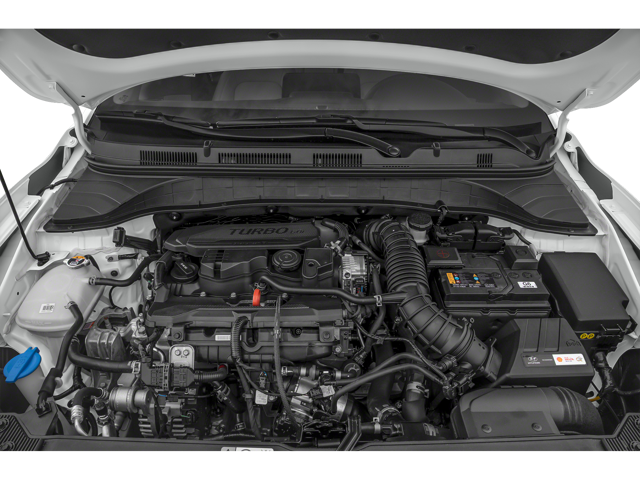
Close view of everything under the front hood of a 2023 Hyundai Kona. | Hyundai dealer in Little Rock, AR.

How Often Should You Replace Your Hyundai's Spark Plugs?

Plugs are one of the most important parts of your vehicle. They are responsible for igniting the fuel and air mixture that powers your car, so regular maintenance at a Hyundai dealer is essential for good performance and fuel economy. That's how you eliminate guesswork from the spark plugs equation. How Long Do Spark Plugs Last? Generally, plugs last between 30,000 and 90,000 miles but can be replaced sooner if there's a misfire or other performance issue. This huge difference between the minimum and maximum plug life is due to differences in driving conditions, engine configuration, and other variables. We recommend getting preventive maintenance at an authorized Hyundai service center for the best results. Mechanics in these car clinics are familiar with your vehicle and its configuration, so they are in the best position to judge whether or not it's time for a plug replacement. The last thing you want is a car that keeps stalling on you. What Happens If You Don't Replace Plugs at a Hyundai Dealer? You might experience several symptoms if you don't replace your plugs at an authorized dealership. These include: Poor engine performance Decreased fuel efficiency Difficulty starting the car Poor performance can be attributed to the old plugs not firing correctly or having unequal gaps that cause misfiring in the cylinders. A decrease in fuel economy is driven by inefficient combustion due to bad plugs. And difficulty starting the car is caused by a weak voltage that has trouble igniting the fuel and air mixture in the cylinders. Do All Plugs Need To Be Replaced at the Same Time? Plugs don't need to be replaced at the same time. If one spark plug performs worse than the others, it can be replaced first, and the other can be checked for performance later. However, it's best to get all of them replaced together. This will save time and help avoid any confusion or misdiagnosis resulting from a combination of old and new plugs. Spark Plug Gapping Gapping your plugs is also important. Plugs should be gapped to the exact specification to fire properly. If they are not gapped correctly, they will cause misfiring and other performance problems. The gapping issue happens when you get generic plugs instead of asking a Hyundai expert to provide you with the right ones. Generic plugs come pre-gapped but may not be the correct size for your engine. Now that we can all agree that plug replacement is an important part of owning a Hyundai, call Crain Hyundai of Little Rock to schedule an appointment. We will promptly replace your plugs with the right parts so you can drive at peak performance all the time.

Profile view of a parked, gray 2023 Hyundai Santa Cruz. | Hyundai service in Little Rock, AR.

What Should You Do If Your Hyundai Gets Dented?

No driver wants to see a dent in their car. Dents can be caused by a variety of things, but the result is always a blemish on your car. If you have any dents, your Hyundai dealer has the expertise and technology to easily repair them for you. Some drivers prefer a DIY approach and want to fix the problem themselves. These are the two options for repairing car dents. DIY Approach If you enjoy DIY, you may want to try removing the dent yourself. There are several different methods you can use depending on the type of dent and its location. These are some of the ways you can remove a dent at home using common household items. Plunger A plunger can not only clear a blockage, but it can also help in removing dents. Use a clean plunger and fit it around the dent you want to remove. Once the plunger is securely attached, pour water over the head of the plunger and the dented area. Push the plunger in and out as you would when you're clearing a blockage. This method can be helpful on small dents, as the dented area must fit inside the rubber head of the plunger. It can take some time, but you should see the dent pop out again. Hairdryer This method uses a hairdryer, aluminum foil, and a piece of dry ice the size of the dent. To start, heat the dented area with the hairdryer. Once the dented area is warm to the touch, spread the aluminum foil over the dent. Put on work gloves, and rub the block of dry ice over the aluminum foil. The rapid change in temperature between hot and cold should cause the dent to pop out very quickly. You can also use a can of cold compressed air as an alternative to dry ice. Visit Your Dealer Removing a dent yourself can be satisfying but requires time and effort you may not have available. The above methods and all other DIY solutions will only work on minor dents. Depending on the location of the dent, DIY may not work at all. As your dealer, we have a state-of-the-art repair facility and Hyundai-trained technicians available to fix the problem. We have the technology to swiftly remove dents of any size from your car and return it to like-new condition. Dents sometimes involve damaged paint, and we can match your car's color in our paint shop. Our technicians are also experts at repairs and can remove a dent for you very quickly. Call our service department today at Crain Hyundai of Little Rock. Our technicians can remove any dent or damage.