



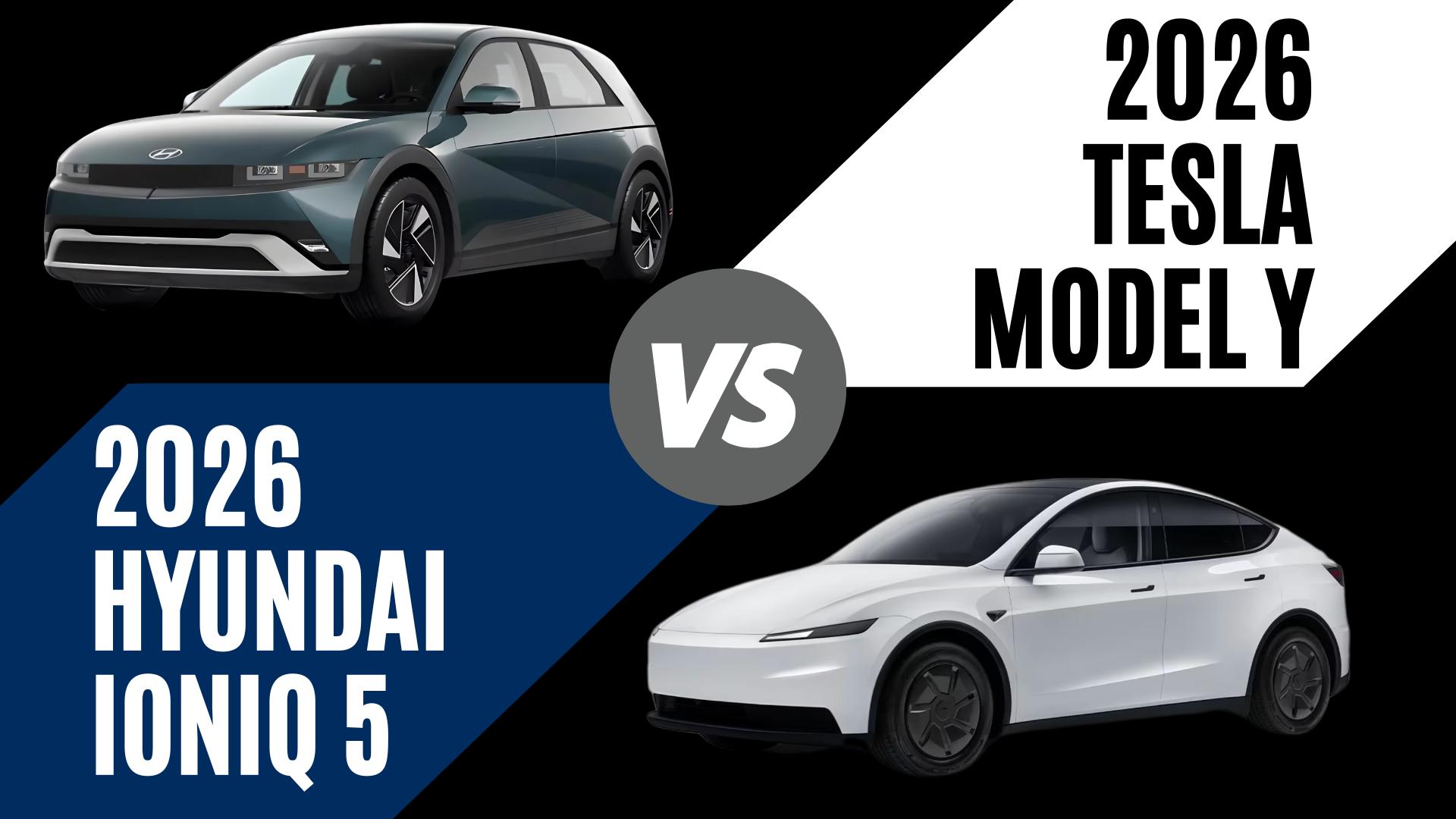
Two Popular EVs. Two Very Different Ownership Experiences.
Electric vehicles have become increasingly common throughout Central Arkansas, and shoppers considering the switch to an EV often find themselves comparing two of the segment’s biggest names: the Hyundai Ioniq 5 and Tesla Model Y. Crain Hyundai of Little Rock is your place for Hyundai EVs.
At first glance, the similarities are obvious. Both offer impressive range, advanced technology, quick acceleration, and the practicality expected from a modern electric SUV.
Spend a little more time with them, however, and meaningful differences begin to emerge. Charging convenience, interior design, safety technology, long-term ownership benefits, and overall comfort create two distinctly different ownership experiences.
For drivers in Little Rock, North Little Rock, Conway, Benton, and throughout Central Arkansas, those differences may ultimately matter more than the range figure listed on a window sticker.
Vehicle Comparison
2026 Hyundai Ioniq 5
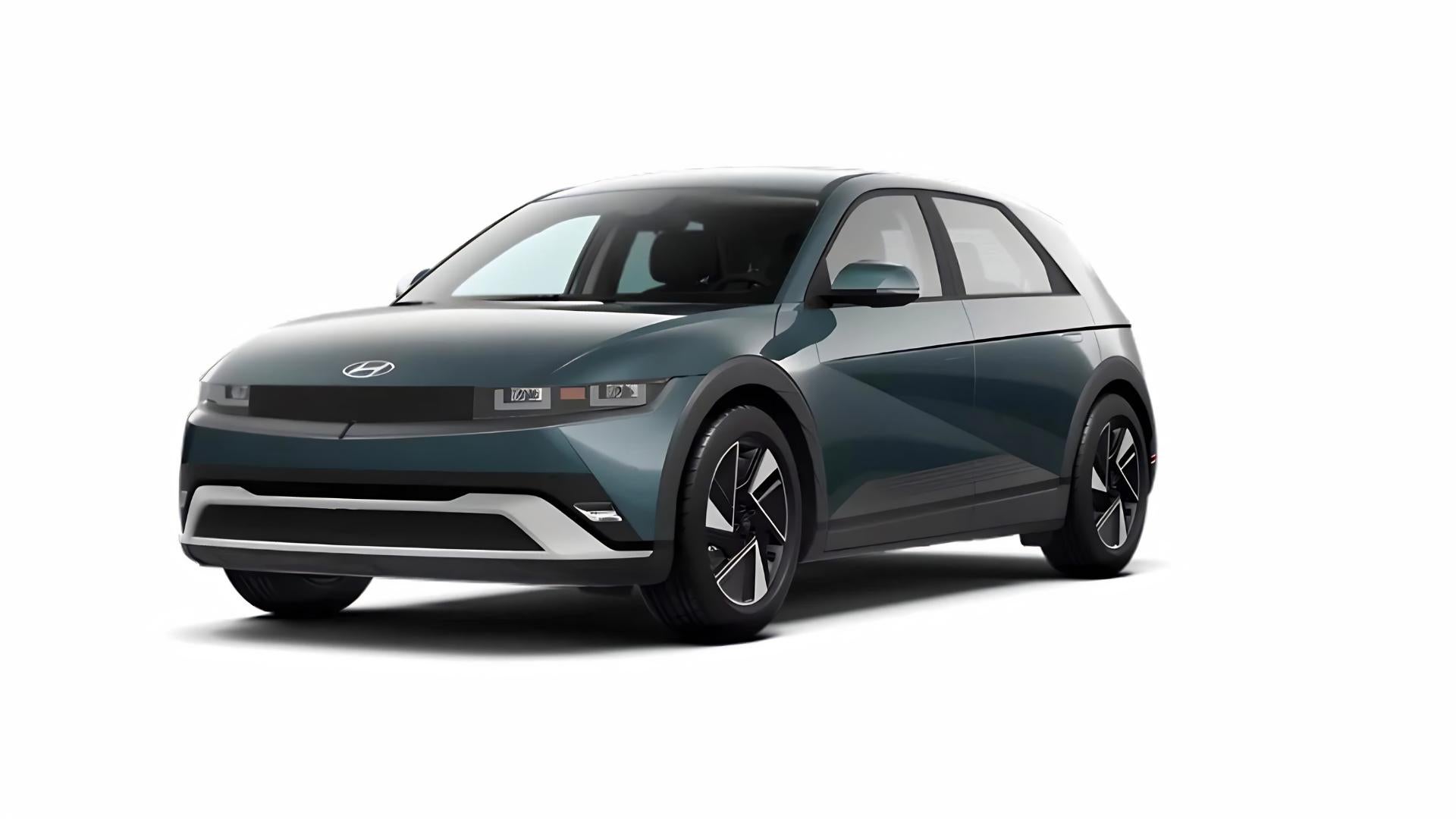
- Ultra-Fast Charging
- Dual 12.3-Inch Displays
- Hyundai Digital Key 2
2026 Tesla Model Y
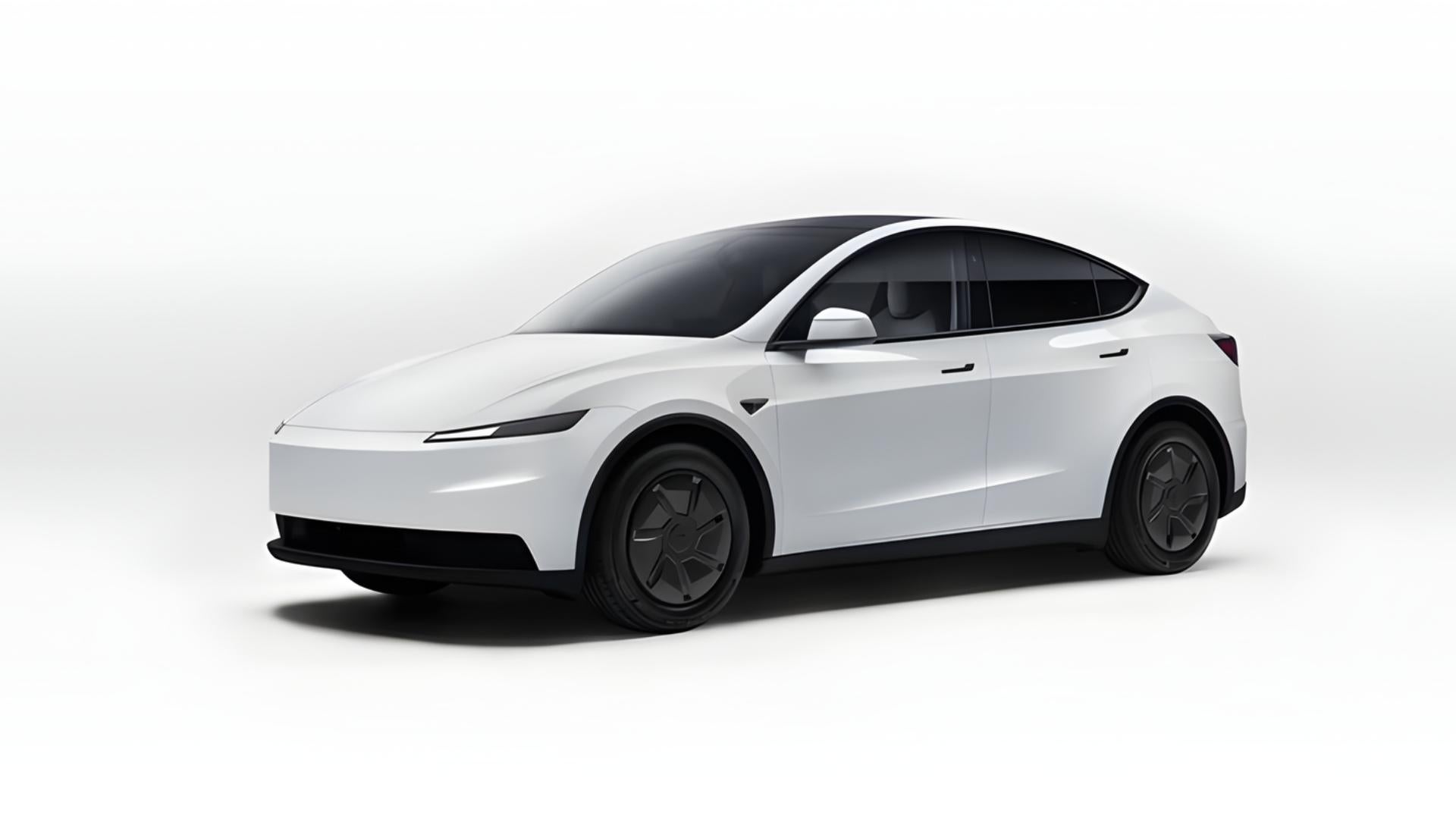
- Tesla Supercharger Access
- 15.4-Inch Touchscreen
- Full Self-Driving Capability
Modern EV Design Through Two Different Lenses
The Ioniq 5 and Model Y approach design from opposite directions.
Hyundai created the Ioniq 5 to stand out. Its distinctive exterior styling combines retro-inspired elements with futuristic details, creating an EV that looks unlike almost anything else on the road. The interior follows the same philosophy, emphasizing openness, visibility, and flexibility.
Tesla’s approach is more restrained. The Model Y features clean lines and a minimalist interior built around a single touchscreen interface. The design feels modern and uncluttered, although some shoppers may prefer the additional controls and displays found inside the Hyundai.
Design Highlights:
- Ioniq 5: Distinctive styling and spacious interior layout
- Model Y: Minimalist design philosophy
- Both: Contemporary electric SUV design
Everyday Comfort Versus Pure Acceleration
Both EVs deliver the instant torque electric vehicles are known for, but the driving experience feels noticeably different.
The Ioniq 5 prioritizes comfort. Its suspension tuning creates a smooth and composed ride that remains comfortable during daily commutes, road trips, and longer highway drives across Arkansas. Cabin noise is well controlled, contributing to a more relaxed experience behind the wheel.
The Model Y places greater emphasis on performance. Quick acceleration is one of its defining characteristics, particularly in higher-performance trims. That responsiveness can be exciting, though some drivers may find the ride firmer than the Hyundai.
The Ioniq 5’s blend of range, charging capability, comfort, and usability has helped Hyundai earn recognition among the industry’s top EV manufacturers, including recent Cars.com Top EV honors.
Driving Takeaways:
- Ioniq 5: Comfortable, refined, and balanced
- Model Y: Fast acceleration and sporty feel
- Both: Strong electric vehicle performance
Which Interior Feels Better Every Day?
Daily usability often becomes more important than performance after the first few months of ownership.
The Ioniq 5 benefits from a long wheelbase and flat-floor architecture that helps maximize interior space. Rear-seat passengers enjoy generous legroom, while the open layout creates an airy feel throughout the cabin.
Tesla takes a different approach. The Model Y emphasizes cargo flexibility and offers an available third-row configuration on certain trims, making it appealing for buyers who occasionally need additional passenger capacity.
Convenience also plays a major role in the Ioniq 5 ownership experience. Features like Hyundai Digital Key 2 allow compatible smartphones to function as vehicle keys, simplifying access and day-to-day vehicle operation.
Interior Highlights:
- Ioniq 5: Spacious cabin and open layout
- Model Y: Flexible cargo area and available third row
- Both: Seating for five passengers in standard configurations
Technology That Shapes the Driving Experience
Technology remains one of the biggest reasons shoppers compare these two EVs.
Inside the Ioniq 5, dual 12.3-inch displays separate driver information from infotainment controls. This layout creates a modern appearance while keeping key information easily visible.
Tesla continues to center nearly every vehicle function around its large 15.4-inch touchscreen. Many owners appreciate the streamlined interface, while others prefer Hyundai’s balance of digital displays and traditional controls.
Hyundai’s connected vehicle features help make the Ioniq 5 feel easier to manage day to day, giving owners more ways to access vehicle information, stay connected, and simplify routine ownership tasks through modern digital tools.
Technology Comparison:
- Ioniq 5: Dual 12.3-inch displays and intuitive layout
- Model Y: Large central touchscreen interface
- Both: Advanced connectivity and software updates
Advanced Safety Features for Central Arkansas Drivers
Safety technology continues to evolve rapidly, and both vehicles include extensive driver-assistance systems.
The Ioniq 5 includes Hyundai SmartSense safety technology, which helps enhance driver awareness through features such as forward collision-avoidance assistance, lane-keeping assistance, and other active safety systems. Available Highway Driving Assist 2 adds additional support during highway travel, helping create a more confident driving experience on longer trips throughout Arkansas.
Tesla equips the Model Y with a similar suite of standard safety technologies while also offering Full Self-Driving capability as an optional system.
Safety Snapshot:
- Ioniq 5: SmartSense and available Highway Driving Assist 2
- Model Y: Available Full Self-Driving capability
- Both: Comprehensive driver-assistance technology
Range, Charging Speed, and Everyday EV Convenience
Range often dominates EV conversations, but charging convenience can be just as important.
The Tesla Model Y offers an estimated range of approximately 294 to 357 miles, depending on configuration, giving it an advantage in maximum driving distance.
The Hyundai Ioniq 5 delivers an estimated 245 to 318 miles of range, which remains more than sufficient for most daily driving needs throughout Central Arkansas.
Charging speed is where the Ioniq 5 creates meaningful separation. Its 800-volt architecture allows it to charge from 10 percent to 80 percent in roughly 20 minutes when connected to a compatible DC fast charger.
Charging convenience has become even more attractive for Hyundai owners thanks to expanding charging access. Tesla Superchargers are now available to many Ioniq 5 drivers, helping reduce range anxiety and improve charging flexibility during longer trips.
Range and Charging Highlights:
- Ioniq 5: Ultra-fast charging capability
- Model Y: Longer maximum driving range
- Both: Practical range for everyday EV ownership
Long-Term Value Beyond the Purchase Price
The ownership experience extends well beyond range, horsepower, and technology.
Hyundai continues to differentiate itself through warranty coverage, complimentary maintenance, and traditional dealership support. Those advantages can provide additional peace of mind long after the initial purchase.
America’s Best Warranty remains one of Hyundai’s strongest ownership benefits and continues to be a major consideration for many EV buyers.
Tesla offers battery coverage and a unique ownership model, but its support structure differs significantly from the dealership experience many buyers prefer.
Ownership Considerations:
- Ioniq 5: Strong warranty coverage and complimentary maintenance
- Model Y: Competitive EV ownership experience
- Both: Lower routine maintenance requirements than many gas-powered vehicles
Which EV Makes More Sense for Little Rock Drivers?
The Tesla Model Y remains a compelling option for shoppers who prioritize maximum range and strong acceleration.
The Hyundai Ioniq 5 takes a broader approach. Fast charging, impressive interior space, advanced safety technology, intuitive features, and stronger ownership benefits create an EV that feels exceptionally well-rounded.
For many drivers throughout Little Rock and Central Arkansas, that balance makes the 2026 Hyundai Ioniq 5 the more practical and rewarding choice for everyday EV ownership. Come visit us today at Crain Hyundai of Little Rock.
FAQs
Which EV is more comfortable for everyday driving?
The Hyundai Ioniq 5 emphasizes ride comfort and cabin refinement, making it an appealing choice for daily commuting, road trips, and longer highway drives throughout Central Arkansas.
What technology features help the Hyundai Ioniq 5 stand out?
Available features such as Hyundai Digital Key 2, dual 12.3-inch displays, and advanced driver-assistance technologies help create a modern and user-friendly ownership experience.
Can Hyundai Ioniq 5 owners use Tesla Superchargers?
Yes. Many Hyundai Ioniq 5 models now have access to Tesla Supercharger stations, expanding charging options and making long-distance travel more convenient.
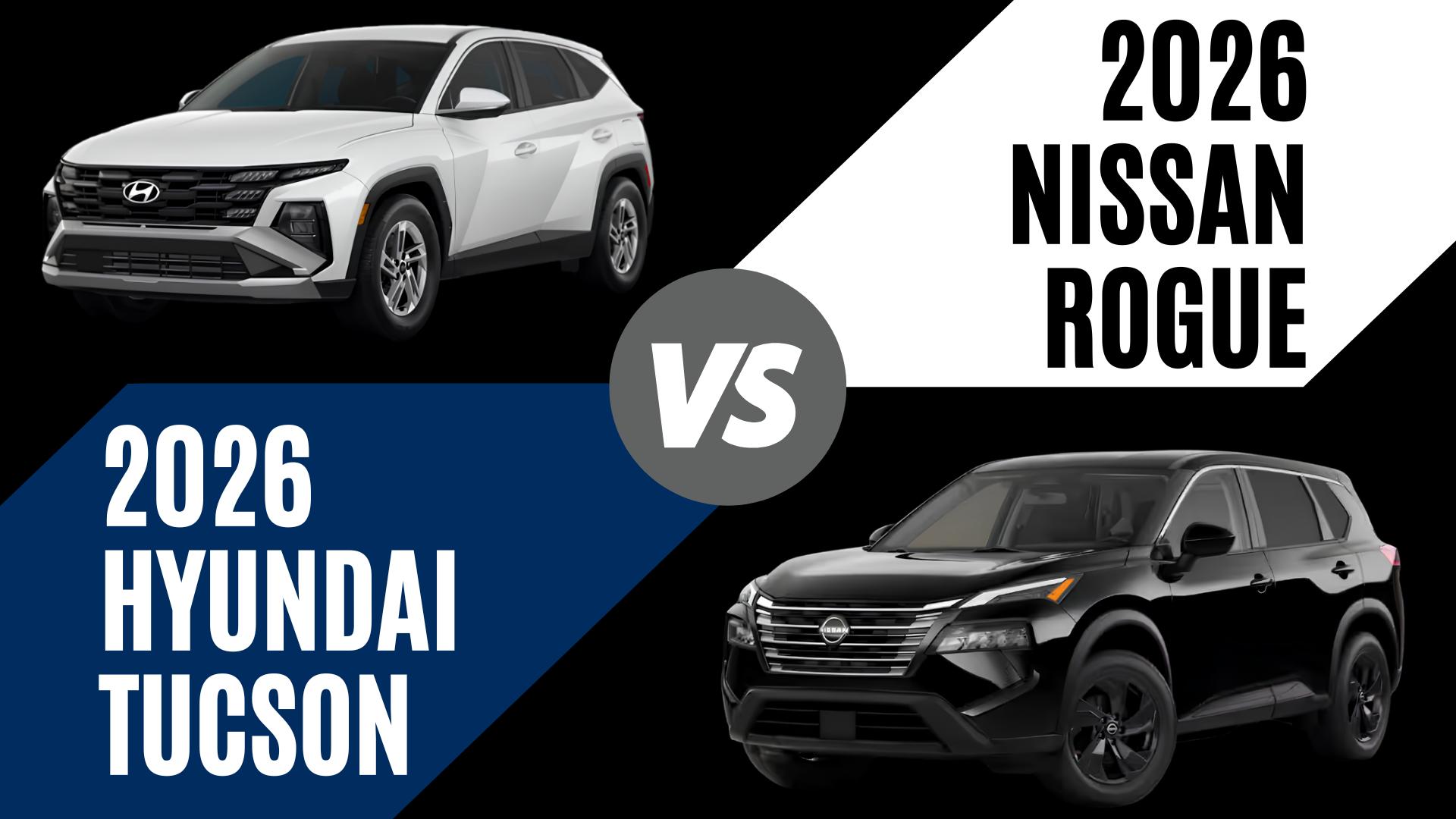
Finding the Right Compact SUV for Central Arkansas Drivers
Choosing the right compact SUV often comes down to balancing comfort, efficiency, and practicality for everyday life in Central Arkansas. Whether it’s commuting through downtown Little Rock, heading toward Conway for the weekend, or navigating traffic around Bryant and Benton, versatility matters.
Drivers comparing the 2026 Hyundai Tucson and Nissan Rogue will find that both SUVs offer modern technology, available all-wheel drive, and comfortable interiors designed for daily driving.
This comparison focuses on the gas-powered versions of the 2026 Hyundai Tucson and 2026 Nissan Rogue. Drivers looking for additional efficiency should note that Hyundai also offers Tucson Hybrid and Tucson Plug-In Hybrid models.
Vehicle Comparison
2026 Hyundai Tucson
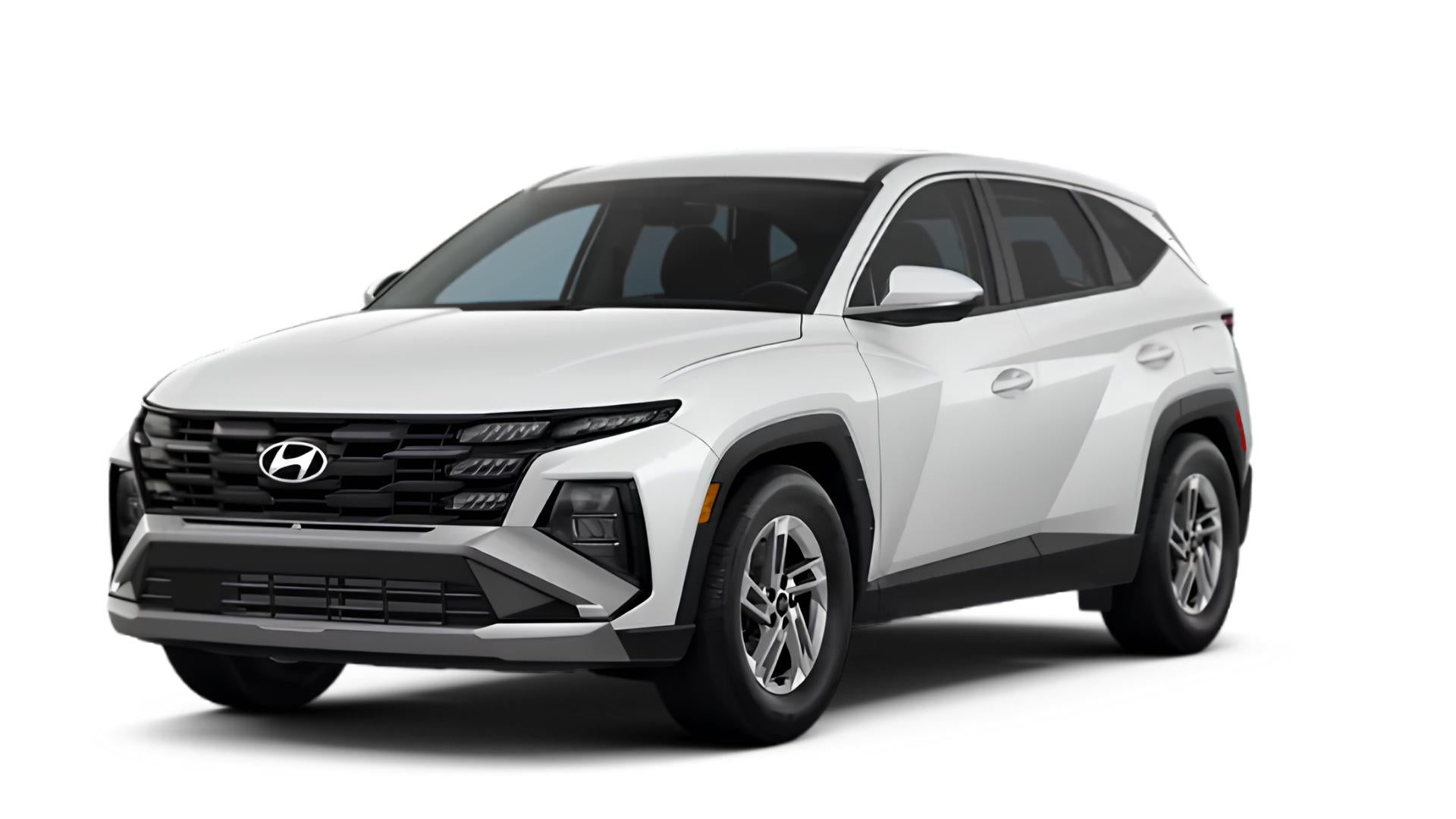
- Dual 12.3″ Panoramic Display
- Hyundai Digital Key
- Bose Premium Audio
2026 Nissan Rogue
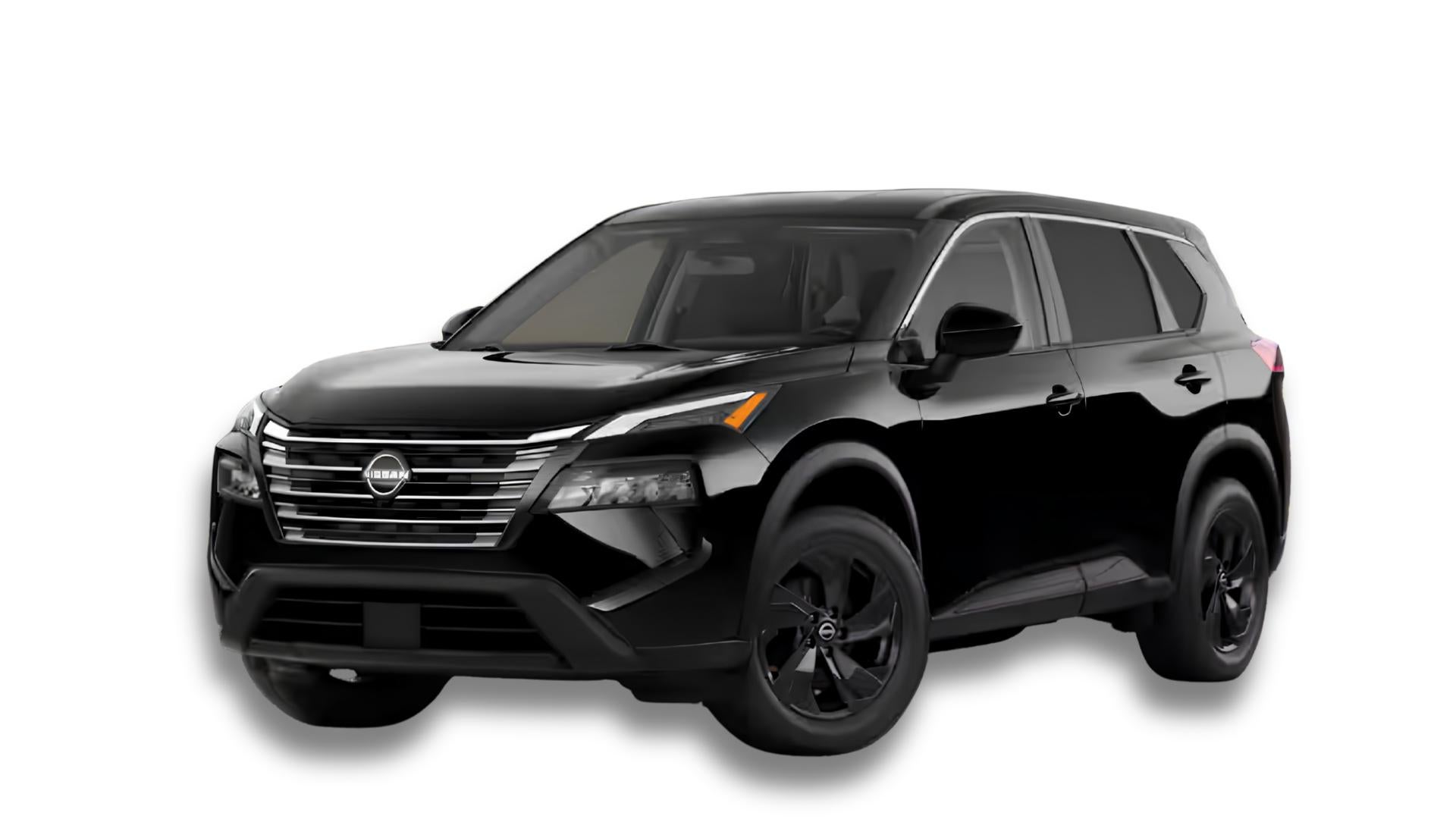
- ProPILOT 2.1 Hands-Free Highway Driving
- Available 12.3″ Touchscreen
- 10-Speaker Bose Audio System
Modern Styling with Different Personalities
These SUVs approach design in noticeably different ways.
Sharp body lines and a more upscale-looking interior help the Tucson stand out visually. The cabin design feels modern without becoming overly complicated, giving it a more refined overall atmosphere.
The Rogue takes a more traditional route. Its styling feels practical and approachable, focusing more on familiarity and simplicity.
Design Takeaways
- Tucson: Modern styling with a refined cabin feel
- Rogue: Clean and practical overall design
- Both: Compact SUVs designed for everyday versatility
Everyday Comfort Around Little Rock
Comfort can have a major impact on long-term ownership satisfaction.
A smooth ride and quiet interior help the Tucson feel relaxed on longer drives around Central Arkansas. Road imperfections are absorbed well, helping create a more refined driving experience overall.
The Rogue also delivers a comfortable ride with predictable handling, making it easy to manage in everyday driving situations.
What Drivers May Notice Most
- Tucson: Quieter and more refined ride quality
- Rogue: Comfortable and easygoing driving feel
- Both: Practical for commuting and everyday travel
Passenger Room and Interior Practicality
Interior flexibility matters when an SUV becomes part of everyday life.
Rear passengers benefit from the Tucson’s spacious seating area, while cargo flexibility helps support groceries, gear, and weekend travel more easily.
The Rogue still offers a practical cabin layout with useful storage solutions throughout the interior.
Interior Comparison Highlights
- Tucson: More rear-seat comfort and cargo flexibility
- Rogue: Functional storage and practical layout
- Both: Seating for five passengers
Technology That Feels Easy to Use
Modern technology should feel useful rather than distracting.
Inside the Tucson, available dual 12.3-inch displays create a modern panoramic dashboard layout that combines driver information and infotainment functions within a single glass panel. Hyundai also offers convenience features such as Digital Key technology, helping drivers stay connected and access their vehicle more easily.
The Rogue offers an available 12.3-inch touchscreen as well, though many trims still rely on smaller standard displays. Nissan also offers available ProPILOT 2.1 technology and an optional Bose premium audio system on higher trims.
Technology Highlights
- Tucson: Dual 12.3-inch panoramic display and Hyundai Digital Key
- Rogue: Available 12.3-inch touchscreen and ProPILOT 2.1
- Both: Modern infotainment capability and smartphone connectivity
Safety Features Designed for Confidence
Driver-assistance technology plays a major role in modern SUVs.
The Tucson includes a broad set of standard safety systems designed to improve awareness and driver confidence in everyday situations.
Hyundai SmartSense includes features like lane-keeping assist and forward collision avoidance systems that help support safer driving habits.
The Rogue counters with available ProPILOT 2.1, which adds hands-free highway driving support on select trims.
Safety Comparison
- Tucson: Strong standard driver-assistance coverage
- Rogue: Available hands-free highway driving technology
- Both: Advanced driver-assistance technology availability
Performance, AWD, and Fuel Economy
This comparison focuses on gas-powered models only.
The Tucson produces 187 horsepower and offers available all-wheel drive. Fuel economy ranges from 26 to 28 MPG combined, and properly equipped models can tow up to 2,000 pounds.
The Rogue generates 201 horsepower and also offers available all-wheel drive. Fuel economy ranges between 29 and 32 MPG combined depending on trim and configuration, while towing capacity reaches up to 1,500 pounds when properly equipped.
While the Rogue reaches slightly higher MPG figures, the Tucson delivers more consistent efficiency throughout the lineup.
Hyundai continues prioritizing fuel-conscious design across multiple models, including the Tucson, helping drivers balance practicality with efficiency.
Performance and Efficiency Overview
- Tucson: Balanced performance with dependable MPG and up to 2,000 lbs towing
- Rogue: Slightly higher maximum fuel economy and up to 1,500 lbs towing
- Both: Available AWD capability
Long-Term Ownership and Overall Value
Long-term ownership advantages can become more important over time.
Hyundai supports Tucson owners with extended warranty coverage and complimentary maintenance, helping reduce ownership costs and add peace of mind.
Hyundai’s warranty coverage continues to stand out across the industry for drivers planning to keep their SUV longer.
The Rogue offers standard warranty protection but does not include the same level of ownership-focused benefits.
Ownership Advantages
- Tucson: Strong warranty and complimentary maintenance
- Rogue: Standard ownership coverage
- Both: Practical compact SUV options
Which Compact SUV Fits Best in Little Rock?
Daily driving around Little Rock, North Little Rock, and Bryant often calls for a vehicle that feels efficient during the week while still remaining comfortable for longer trips.
The Nissan Rogue offers strong fuel economy and straightforward practicality, making it a solid choice for many drivers.
A stronger mix of standard technology, interior refinement, towing capability, and long-term ownership benefits helps the Hyundai Tucson stand out as the more complete package for many Central Arkansas drivers.
FAQs
Which SUV feels more premium inside?
The Tucson’s modern cabin design, available dual-screen display setup, and upscale materials give it a more refined feel, while the Rogue focuses on practicality and simplicity.
Is the Nissan Rogue more fuel-efficient than the Hyundai Tucson?
Yes. The Rogue delivers slightly higher EPA fuel economy ratings, although the Tucson remains competitive while offering strong technology and ownership benefits.
Which compact SUV is better for long-term ownership?
Many drivers may find the Tucson’s warranty coverage and complimentary maintenance provide additional long-term value.
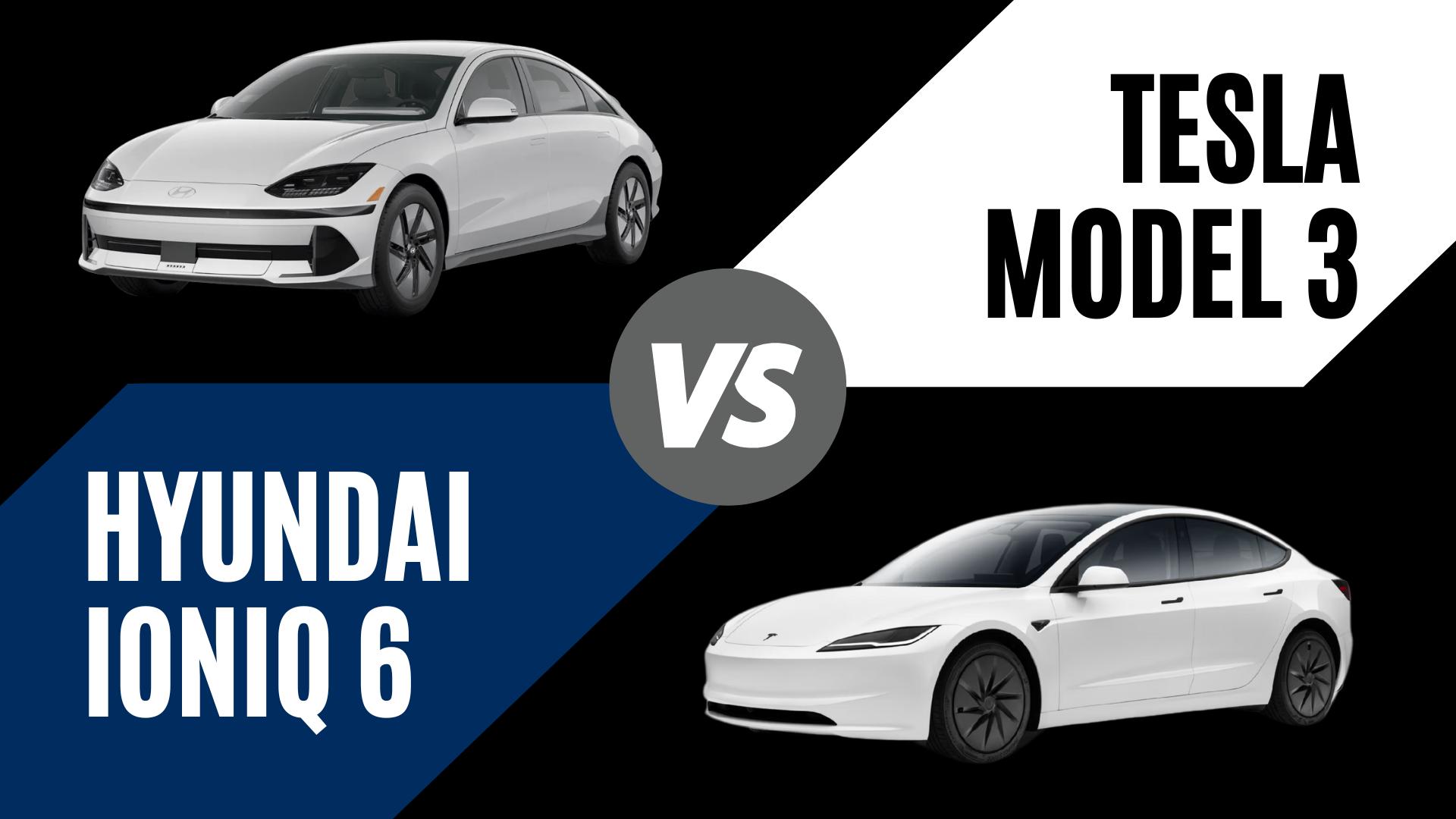
Comparing Two Electric Sedans With Different Priorities
Range, charging speed, technology, and long-term ownership costs continue shaping how drivers compare modern EVs. The Hyundai Ioniq 6 and Tesla Model 3 both deliver impressive electric performance, although they take noticeably different approaches to comfort, usability, and everyday driving experience.
Anyone comparing the 2025 Hyundai Ioniq 6 vs 2026 Tesla Model 3 in Little Rock, AR will quickly notice that both sedans excel in efficiency while still targeting different types of EV buyers. Tesla emphasizes acceleration, minimalism, and maximum driving range, while Hyundai focuses more heavily on fast charging capability, intuitive technology, and overall ownership value.
As electric vehicle adoption continues growing throughout Central Arkansas, these two sedans remain among the most talked-about EV options on the market.
Drivers researching Hyundai’s award-winning EVs can also explore how the Ioniq lineup continues expanding in Arkansas.
Vehicle Comparison
2025 Hyundai Ioniq 6
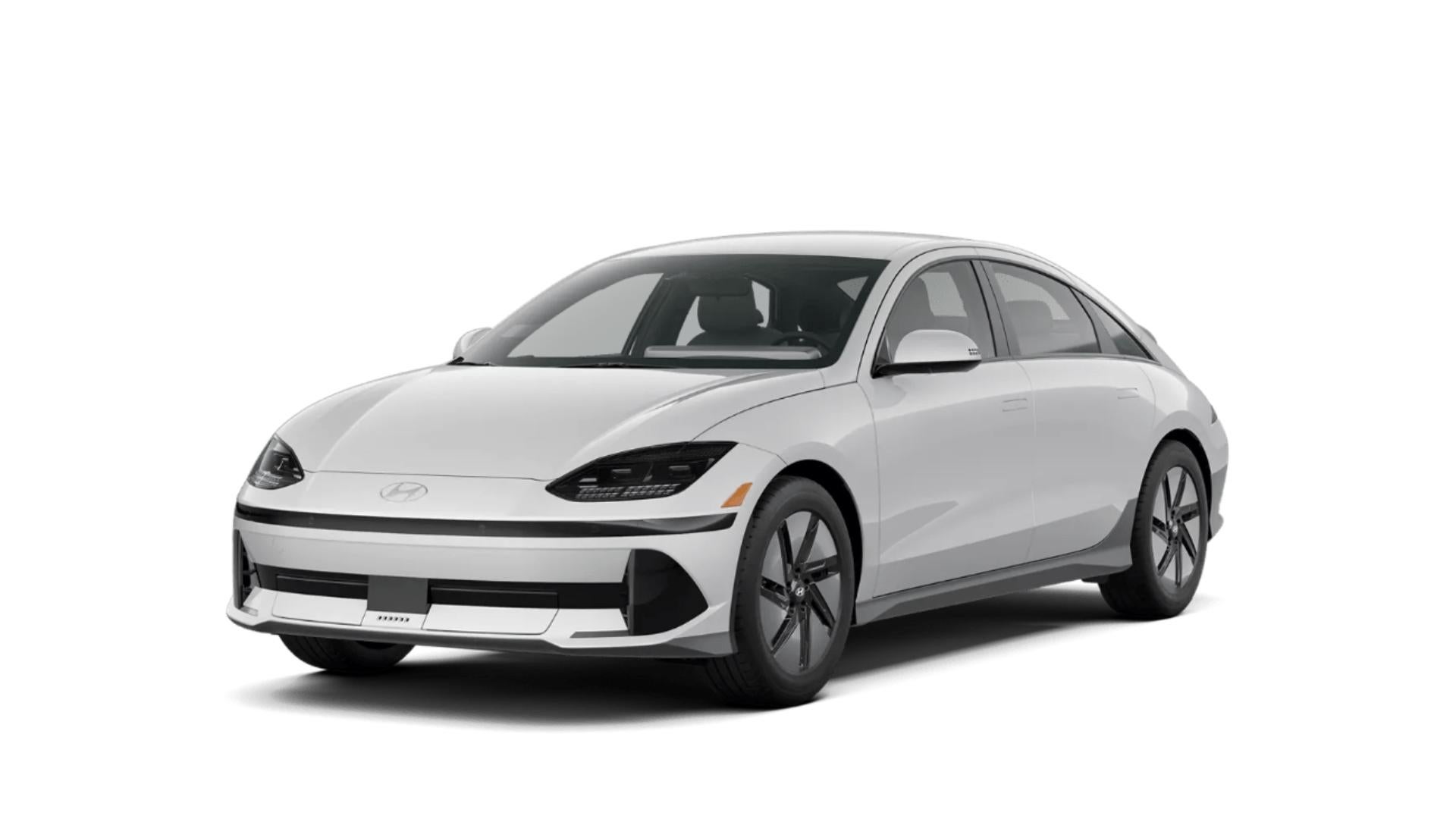
- Ultra-Fast Charging
- Dual 12.3-inch Displays
- Aerodynamic Efficiency Design
2026 Tesla Model 3
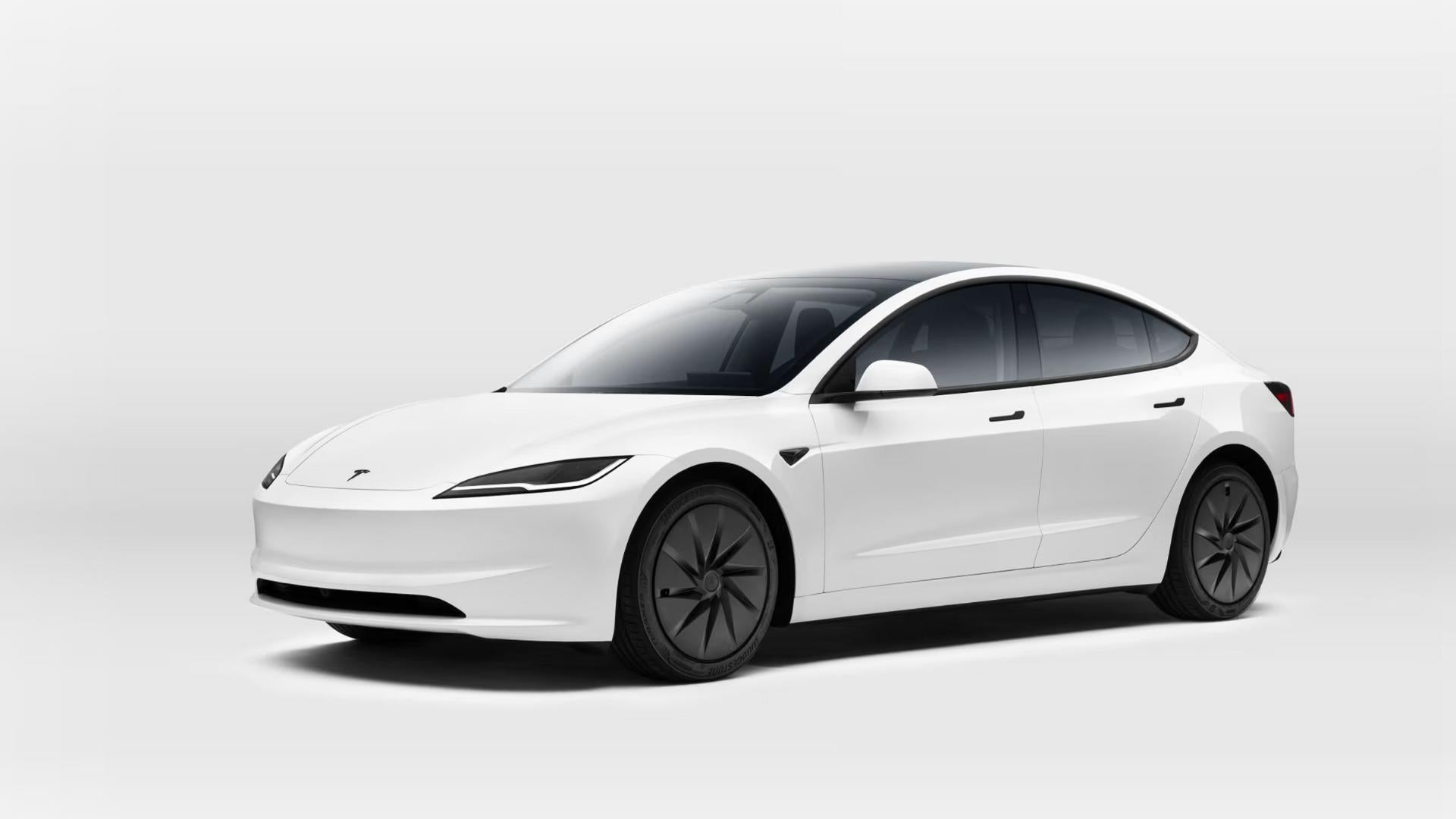
- Supercharger Network Access
- 15.4-inch Touchscreen
- Autopilot Driver Assistance
The Ioniq 6 Uses Aerodynamics to Create a More Distinctive Look
Exterior styling separates these EVs immediately.
The Ioniq 6 features a sleek and highly aerodynamic profile that helps maximize efficiency while giving the sedan a futuristic overall appearance. Hyundai uses flowing body lines and a streamlined silhouette to help the vehicle stand apart from more traditional sedan designs.
Tesla keeps the Model 3 intentionally minimalist with clean surfaces and understated styling that has become instantly recognizable in the EV segment.
Both sedans look modern, although the Ioniq 6 feels more expressive visually while the Model 3 leans heavily into simplicity.
Design highlights worth comparing:
- Ioniq 6: aerodynamic and futuristic styling
- Model 3: minimalist and clean exterior design
- Both: modern electric sedans with seating for five
Tesla Delivers Quicker Acceleration While Hyundai Prioritizes Balance
Driving feel becomes one of the clearest differences between these EVs.
The Ioniq 6 delivers a smooth and composed ride with balanced handling that prioritizes comfort during commuting and highway driving. Its low center of gravity helps maintain stability while still creating an enjoyable driving experience.
Tesla gives the Model 3 stronger straight-line acceleration, especially in higher trims, making it one of the quickest vehicles in the segment.
For many drivers, however, Hyundai’s more balanced ride quality and refined road manners may feel easier to live with during everyday driving.
Hyundai also continues expanding convenience-focused technology throughout its EV lineup.
Performance comparison highlights:
- Ioniq 6: smooth ride quality with balanced handling
- Model 3: quicker acceleration and sportier feel
- Both: responsive all-electric performance
Hyundai Creates a More Traditional and Comfortable Cabin Layout
Interior usability can make a major difference during long-term ownership.
The Ioniq 6 features a lounge-inspired cabin layout with a flat floor, thoughtfully arranged controls, and a quieter overall driving environment. Hyundai keeps important vehicle functions easy to access without relying entirely on touchscreen controls.
Tesla takes a far more minimalist approach inside the Model 3. Nearly all controls operate through the large center display, creating a clean appearance but also requiring more adjustment for drivers accustomed to traditional layouts.
Both sedans seat five passengers comfortably, although the Ioniq 6 may feel more intuitive for drivers transitioning into EV ownership.
Hyundai continues emphasizing technology and entertainment features throughout its lineup.
Interior highlights worth comparing:
- Ioniq 6: modern cabin with more traditional usability
- Model 3: minimalist touchscreen-focused interior
- Both: spacious electric sedans with seating for five
Hyundai’s Dual-Screen Layout Feels Easier to Use
Technology remains central to the EV ownership experience.
The Ioniq 6 uses dual 12.3-inch displays that separate driver information from infotainment controls, helping the layout feel intuitive and easy to navigate during everyday driving.
Tesla centers nearly all vehicle controls around a single 15.4-inch touchscreen. While visually impressive, the setup requires drivers to interact with the display for most vehicle functions.
Hyundai also continues to introduce connected technology features, such as Digital Key functionality and advanced convenience systems, across its EV lineup.
Technology comparison highlights:
- Ioniq 6: dual 12.3-inch displays with intuitive layout
- Model 3: large 15.4-inch central touchscreen
- Both: connected EV technology and smartphone integration
Advanced Safety Technology Comes Standard on Both EVs
Safety technology remains a major priority for electric vehicle buyers.
The Ioniq 6 includes Hyundai SmartSense driver-assistance features with adaptive cruise control, lane-centering assistance, and a wide range of standard safety systems.
Tesla equips the Model 3 with Autopilot functionality that includes adaptive cruise control and advanced lane-management technology.
Hyundai continues earning recognition for advanced crash protection and driver-assistance systems across its lineup.
Safety comparison highlights:
- Ioniq 6: Hyundai SmartSense safety technology
- Model 3: Tesla Autopilot driver-assistance features
- Both: advanced safety and driver-assistance systems
Tesla Offers More Maximum Range While Hyundai Excels in Charging Speed
Range and charging performance often become the deciding factors for EV shoppers.
The Model 3 delivers an estimated 309-363 miles of range, depending on configuration, giving Tesla an advantage in maximum driving distance.
The Ioniq 6 achieves an estimated 240-342 miles of range while remaining highly competitive in overall efficiency. Hyundai’s ultra-fast charging capability significantly reduces charging downtime during longer trips.
Access to Tesla Superchargers continues to expand for Hyundai EV owners, improving charging convenience for Ioniq drivers across Arkansas.
Efficiency highlights worth comparing:
- Ioniq 6: ultra-fast charging and strong efficiency
- Model 3: higher maximum driving range
- Both: competitive EV performance and range capability
Hyundai Continues Offering Better Long-Term Ownership Coverage
Ownership value can make a major difference over time.
Hyundai provides one of the strongest ownership packages in the EV segment with extended warranty coverage and complimentary maintenance. Those benefits help reduce long-term ownership costs while adding additional peace of mind.
Tesla offers solid battery coverage, although its overall warranty coverage remains shorter and complimentary maintenance is not included.
Hyundai warranty coverage continues to stand out across the automotive industry.
Ownership value highlights:
- Ioniq 6: longer warranty and complimentary maintenance
- Model 3: shorter ownership coverage overall
- Hyundai: stronger long-term ownership benefits
Which EV Fits Little Rock Drivers Better?
The Tesla Model 3 remains a strong option for drivers prioritizing maximum range and rapid acceleration.
For many Little Rock-area drivers, however, the Hyundai Ioniq 6 delivers a more approachable daily EV ownership experience thanks to its ultra-fast charging capability, intuitive interior layout, smooth ride quality, and stronger ownership coverage. Its combination of efficiency, comfort, and usability helps the Ioniq 6 stand out in the growing EV segment.
Ready to experience the Hyundai Ioniq 6 in person? Visit Crain Hyundai of Little Rock to explore available trims and features today.
FAQs
Q: Which EV offers more driving range, the Hyundai Ioniq 6 or Tesla Model 3?
A: The Tesla Model 3 offers a higher maximum estimated driving range, although the Ioniq 6 remains highly competitive depending on configuration.
Q: What makes the Hyundai Ioniq 6 stand out for charging performance?
A: The Ioniq 6 offers ultra-fast charging capability designed to reduce charging time during longer trips.
Q: Which EV offers stronger ownership coverage?
A: The Hyundai Ioniq 6 includes Hyundai’s longer warranty coverage and complimentary maintenance benefits.

Finding the right SUV for family life in Little Rock means looking beyond simple specs and horsepower numbers. Daily driving around Central Arkansas can include school drop-offs, commuting across town, weekend trips to Pinnacle Mountain, and everything in between. The best SUV is usually the one that feels the most practical and comfortable in real life.
For many drivers, the 2026 Hyundai Santa Fe and the Honda CR-V end up on the same shopping list. Both SUVs offer modern safety technology, comfortable interiors, and everyday versatility, but they approach family driving in very different ways.
If you want a more detailed side-by-side breakdown, you can also explore our full comparison of the 2026 Hyundai Santa Fe vs 2026 Honda CR-V in Little Rock, AR.
While the CR-V focuses on efficiency and simplicity, the Santa Fe leans more into flexibility, passenger space, and long-term usability for growing households.
What Everyday Driving Looks Like in Little Rock
Driving around Little Rock often means dealing with a little bit of everything:
- Stop-and-go traffic during busy afternoons
- Highway commuting on I-630 or I-430
- Weekend travel across Central Arkansas
- Family schedules that constantly change
That’s why many families prioritize comfort, seating flexibility, and technology that makes life easier instead of focusing only on fuel economy.
Why Interior Flexibility Matters More Over Time
One of the biggest differences between these two SUVs becomes obvious once you start looking at passenger space.
The Hyundai Santa Fe includes a standard third row, giving families seating for six or seven passengers depending on configuration. That extra flexibility can make a major difference for carpools, sports practices, or visiting family members.
Honda keeps the CR-V focused on a traditional two-row layout with seating for five. The cabin still feels spacious and practical, but it doesn’t offer the same adaptability when extra passengers need a ride.
Families looking for more room to grow often appreciate the Santa Fe’s balance of passenger comfort and versatility, especially the family-friendly features.
A More Powerful Drive vs An Efficiency-First Approach
The driving experience between these SUVs feels noticeably different once you spend time behind the wheel.
Hyundai gives the Santa Fe a stronger performance focus with a 277-horsepower turbocharged engine paired to an eight-speed automatic transmission. Acceleration feels smooth and confident, especially when merging onto highways or passing slower traffic.
The Honda CR-V takes a different route. Its 190-horsepower turbocharged engine prioritizes fuel economy and relaxed driving manners over stronger acceleration.
For some drivers, efficiency will remain the top priority. Others may prefer the Santa Fe’s added confidence and smoother power delivery during everyday driving.
Technology Designed Around Daily Convenience
Modern SUV technology has become a much bigger part of everyday driving, especially for families balancing busy schedules.
Inside the Santa Fe, dual 12.3-inch displays create a more immersive layout that combines infotainment and driver information into one clean design. The cabin feels modern without becoming overly complicated.
Hyundai continues to focus heavily on connected technology and convenience features that simplify everyday driving.
Honda’s CR-V keeps things simpler with a smaller touchscreen and a more traditional interior layout. Controls are easy to learn, which many drivers will appreciate.
The difference really comes down to preference:
- Santa Fe feels more upscale and tech-forward
- CR-V focuses on simplicity and familiarity
For drivers who spend a lot of time in traffic around Little Rock, the Santa Fe’s larger integrated display setup helps the cabin feel more modern and connected.
Comfort for Longer Drives Around Arkansas
Comfort matters more than many drivers expect once daily commuting and weekend travel become part of the routine.
The Santa Fe’s upright design creates an open-feeling cabin with generous passenger space across multiple rows. Families taking longer drives toward Hot Springs, Conway, or Northwest Arkansas may appreciate the additional room and seating flexibility.
The CR-V remains comfortable and composed, particularly for smaller households that do not need third-row seating. Its suspension tuning focuses on smoothness and efficiency during everyday commuting.
Both SUVs handle daily driving well, but the Santa Fe’s larger layout gives it an advantage for drivers who regularly travel with passengers or extra cargo.
Safety Features That Help Reduce Stress
Advanced driver-assistance technology has become an important part of choosing a family SUV.
Hyundai equips the Santa Fe with SmartSense safety technology, including:
- Forward-collision warning
- Automatic emergency braking
- Adaptive cruise control
- Lane-keeping assist
Hyundai continues expanding its safety systems to support confidence and awareness behind the wheel.
Honda includes a similar suite of safety features in the CR-V, along with driver-attention monitoring technology designed to help improve awareness during longer drives.
Both SUVs perform well when it comes to modern safety expectations, giving drivers added confidence during busy commutes and highway travel around Central Arkansas.
Fuel Economy and Everyday Practicality
The Honda CR-V has the advantage when it comes to fuel economy.
Drivers prioritizing efficiency will likely appreciate the CR-V’s higher MPG ratings, especially during daily commuting around Little Rock.
The Santa Fe trades some of that efficiency for additional horsepower, passenger flexibility, and a more substantial overall feel on the road.
For many families, the decision comes down to balancing:
- Better fuel economy
vs - More space and versatility
Long-Term Ownership and Family Value
Long-term ownership costs often become just as important as initial features.
One area where Hyundai stands out is warranty coverage. The Santa Fe includes Hyundai’s 10-year/100,000-mile powertrain warranty along with complimentary maintenance coverage, helping create additional peace of mind over time.
Hyundai’s warranty coverage remains one of the strongest ownership advantages in the SUV segment, earning it the title of America’s Best Warranty.
Honda continues to maintain a strong reputation for long-term dependability and resale value, which remains a major reason many drivers consider the CR-V.
Both SUVs are practical long-term choices, but the Santa Fe delivers a stronger overall package for families needing additional flexibility.
Which SUV Fits Family Life Better in Little Rock?
The Honda CR-V remains a strong option for drivers who prioritize fuel efficiency, simplicity, and two-row practicality.
For many families in Little Rock, though, the Hyundai Santa Fe offers more versatility for changing schedules and everyday life. Between the extra seating, stronger performance, modern technology, and long warranty coverage, it adapts more naturally to growing family needs.
That balance of comfort, flexibility, and everyday usability is what helps the Santa Fe stand out in Central Arkansas.
FAQs
Does the Hyundai Santa Fe have more seating than the Honda CR-V?
Yes. The Santa Fe includes a standard third row with seating for up to six or seven passengers, while the CR-V seats five.
Which SUV is better for families in Little Rock?
Families needing extra passenger space and flexibility may prefer the Hyundai Santa Fe, while smaller households may appreciate the CR-V’s efficiency-focused design.
Is the Hyundai Santa Fe more powerful than the Honda CR-V?
Yes. The Santa Fe produces 277 horsepower compared to the CR-V’s 190 horsepower.

The Hyundai Boulder concept SUV made a surprise debut at the 2026 New York International Auto Show, and it immediately drew attention from drivers and industry experts alike. While it is still a concept, it represents a major shift in Hyundai’s direction as the brand prepares to enter the body-on-frame truck segment. For drivers in Little Rock, AR, and across Central Arkansas, this signals a future with more rugged capability, stronger performance, and greater versatility.
At Crain Hyundai of Little Rock, we are excited to see how this concept shapes the next generation of Hyundai vehicles.
A Closer Look at the Hyundai Boulder Concept SUV
The Hyundai Boulder concept SUV previews Hyundai’s first body-on-frame platform developed specifically for the U.S. market. This platform is expected to support a midsize pickup truck, with one arriving by 2030.
Body-on-frame construction is widely known for its durability. It’s ideal for towing, hauling, and off-road use.
As the Hyundai Boulder concept SUV points toward a future midsize pickup, models like the Hyundai Santa Cruz already show how Hyundai delivers truck-inspired strength and everyday versatility.
Built for the Way Americans Drive
Hyundai is making a strong commitment to the U.S. market with this new direction. Future vehicles inspired by the Boulder Concept will be:
- Designed in America
- Developed for American drivers
- Built in America
- Made using Hyundai-produced U.S. steel
For drivers in Little Rock, North Little Rock, and Conway, that means vehicles designed to handle daily commutes, job site needs, and weekend travel across Arkansas.
“Art of Steel” Design That Stands Out
The Boulder Concept introduces Hyundai’s “Art of Steel” design philosophy. It blends strength and flexibility into a bold and functional design.
Key exterior features include:
- An upright profile for improved visibility
- A rugged two-box silhouette
- Sculpted lines with a Liquid Titanium finish
- Coach-style doors for easier access
You’ll notice its presence right away when driving through Little Rock or heading out toward areas like Pinnacle Mountain.
Built to Handle Off-Road Adventures
The Hyundai Boulder concept SUV is clearly designed for drivers who want to go beyond the pavement. Its off-road-focused features highlight Hyundai’s push into more capable vehicles.
Standout features include:
- 37-inch mud-terrain tires
- Increased ground clearance
- Strong approach and departure angles
- A tailgate-mounted full-size spare tire
- Water fording capability
A real-time off-road guidance system helps drivers navigate difficult terrain. It works like a digital spotter and adds confidence on rough trails.
With the Hyundai Boulder concept SUV built for adventure, drivers in Central Arkansas can picture taking a future model out to explore more of what the Little Rock area has to offer.
Practical Utility Meets Everyday Convenience
Beyond off-road capability, the Boulder Concept focuses on real-world usability.
Key utility features include:
- A dual-opening tailgate
- A power drop-down rear window
- A reinforced roof rack for cargo
- Reflective accents for better visibility
Since the Hyundai Boulder concept SUV emphasizes towing and hauling strength, it builds on capabilities already found in SUVs like the Hyundai Palisade when properly equipped.
A Functional and Durable Interior
Inside, the Boulder Concept is built for durability and flexibility. The interior supports active lifestyles and practical use.
Highlights include:
- Durable materials in high-contact areas
- Easy-to-use physical controls
- A configurable interior layout
- Fold-out tray tables for work or meals
While the Hyundai Boulder concept SUV focuses on rugged usability, it also reflects Hyundai’s commitment to intuitive technology and driver convenience.
What’s Next for Hyundai?
The Boulder Concept will not go into production, but it plays an important role in shaping future vehicles. Hyundai has confirmed a midsize pickup truck is planned for release by 2030, built on this new platform.
This truck will be part of a larger expansion that includes 36 new Hyundai vehicles planned for North America.
The Hyundai Boulder concept SUV joins other forward-thinking designs that showcase Hyundai’s design direction and capability. Learn more about another concept, the Hyundai CRATER.
Why This Matters for Little Rock Drivers
Drivers in Little Rock, AR, need vehicles that can handle a wide range of conditions. That includes city streets, highways, and outdoor destinations.
The Hyundai Boulder concept SUV reflects a future where Hyundai vehicles are built to support:
- Weekend travel and exploration
- Job-related hauling and towing
- Long drives across Arkansas
- Daily driving in Central Arkansas
This direction fits how many drivers in the area already use their vehicles.
Stay Connected with Crain Hyundai of Little Rock
The Hyundai Boulder Concept offers a clear look at what is ahead. If you are interested in future Hyundai trucks or rugged SUVs, staying informed now can help you prepare.
At Crain Hyundai of Little Rock, our team is here to help you explore current Hyundai models and stay up to date on the latest innovations.
Frequently Asked Questions
What is the Hyundai Boulder concept SUV?
It is a concept vehicle that previews Hyundai’s future body-on-frame platform for trucks and SUVs.
Will the Hyundai Boulder Concept be released?
No, it is a design study that influences future production models.
What is body-on-frame construction?
It is a durable structure commonly used in trucks and off-road SUVs. It is ideal for towing and rugged use.
When will Hyundai release a pickup truck?
Hyundai plans to introduce a midsize pickup by 2030.
Where can I learn more about Hyundai vehicles in Little Rock?
Visit Crain Hyundai of Little Rock to explore current models and stay updated on future releases.

When it comes to choosing a safe vehicle for your family, the 2026 Hyundai safety ratings are making a strong impression nationwide, as well as right here in Central Arkansas. For drivers researching Hyundai safety ratings in Little Rock, AR, the latest results from the Insurance Institute for Highway Safety (IIHS) show Hyundai continuing to raise the bar.
For the 2026 model year, Hyundai earned six Top Safety Pick+ awards and one Top Safety Pick, even as testing standards became more demanding. That’s not just a win on paper. It reflects real-world protection for drivers and passengers navigating Little Rock traffic every day.
Hyundai Earns Top IIHS Honors for 2026
Hyundai’s 2026 lineup includes a wide range of vehicles recognized for safety. The following models earned the highest distinction, Top Safety Pick+:
- 2026 Hyundai IONIQ 5
- 2026 Hyundai IONIQ 9
- 2026 Hyundai Kona
- 2026 Hyundai Tucson
- 2026 Hyundai Santa Fe
- 2026 Hyundai Sonata
Additionally, the 2026 Hyundai Elantra received a Top Safety Pick award. To learn more about any of these models, please visit our model research page.
These awards are issued by the IIHS, an independent organization known for some of the most rigorous crash-testing standards in the industry. Hyundai has consistently performed well in these evaluations, as seen in previous model years.
Tougher 2026 IIHS Standards Raise the Bar
The 2026 Hyundai safety ratings are even more impressive when you consider that IIHS made its criteria significantly stricter this year.
To earn a Top Safety Pick or Top Safety Pick+ award in 2026, vehicles must now meet higher expectations for crash protection and prevention. This includes stronger performance in front-impact testing and improved safety for rear-seat passengers. This is an area that’s becoming increasingly important for families.
For Top Safety Pick+, vehicles must also perform well in additional crash scenarios and demonstrate more advanced crash avoidance capabilities. These updates reflect real-world driving conditions, including higher-speed impacts and pedestrian safety.
Hyundai SmartSense: Standard Safety Across the Lineup
Another reason Hyundai continues to perform well in safety testing is its commitment to standard safety technology.
Every 2026 Hyundai model comes equipped with seven standard SmartSense safety features, including Lane Keep Assist, Forward Collision-Avoidance Assist, and Driver Attention Warning. These systems are designed to help drivers stay aware and react quickly to changing road conditions.
These features are especially helpful for drivers navigating I-630 during rush hour or dealing with unpredictable Arkansas weather. Many of these systems are part of a broader set of innovations designed to improve everyday driving safety.
Hyundai’s 5-Star Safety Ratings from NHTSA
In addition to IIHS awards, Hyundai has also earned top marks from the National Highway Traffic Safety Administration (NHTSA).
A total of eleven 2026 Hyundai models received 5 out of 5 stars for overall safety, including popular options like the Tucson, Santa Fe, and Sonata. These ratings reflect strong performance in government crash testing and further reinforce Hyundai’s safety reputation.
Vehicles like the Santa Fe continue to stand out as family-friendly SUVs built with safety in mind.
Why Safety Ratings Matter for Little Rock Drivers
Safety ratings aren’t just industry accolades. They provide real insight into how a vehicle may perform in everyday situations.
From stop-and-go traffic near downtown Little Rock to weekend drives across Central Arkansas, vehicles with high safety ratings are engineered to help reduce injury risk and improve crash outcomes. Features like collision avoidance systems and enhanced structural design can make a noticeable difference when it matters most.
Drivers who frequently travel at night or in low-visibility conditions can also benefit from understanding how modern safety systems help reduce risk.
About IIHS and Its Role in Vehicle Safety
The Insurance Institute for Highway Safety (IIHS) is a nonprofit organization dedicated to reducing injuries and fatalities from vehicle crashes. Its Top Safety Pick and Top Safety Pick+ awards are widely respected because they require consistent, high-level performance across multiple crash scenarios.
Each year, IIHS updates its testing criteria to reflect new research and real-world crash data. The stricter 2026 standards, especially those focused on rear-seat safety and crash prevention, highlight how vehicle safety continues to evolve.
Explore Safe Hyundai Models in Little Rock
With multiple award-winning vehicles across SUVs and sedans, Hyundai offers a variety of options for drivers who prioritize safety. Whether you’re considering a compact SUV like the Kona or a midsize option like the Santa Fe, the 2026 lineup delivers strong performance in both testing and real-world scenarios.
If you’re researching 2026 Hyundai safety ratings or comparing Hyundai safety ratings in Little Rock, AR, visiting Crain Hyundai of Little Rock is a great way to experience these features in person and find the right fit for your lifestyle.
You can also explore how Hyundai continues to innovate across its models, with features like Highway Driving Assist that support safer driving experiences.
FAQ: 2026 Hyundai Safety Ratings
What is a Top Safety Pick+ award?
Top Safety Pick+ is the highest safety rating from IIHS, requiring top performance in crash tests and advanced safety technology.
Which Hyundai models earned Top Safety Pick+ for 2026?
The IONIQ 5, IONIQ 9, Kona, Tucson, Santa Fe, and Sonata all earned TSP+ ratings.
Are Hyundai vehicles safe for families?
Yes, Hyundai vehicles are designed with advanced safety features and strong crash test performance, including improved protection for rear-seat passengers.
What makes 2026 safety ratings different?
IIHS introduced stricter standards, including tougher crash tests and higher requirements for crash prevention systems.
Comparing Capability, Efficiency, and Everyday Utility in Little Rock
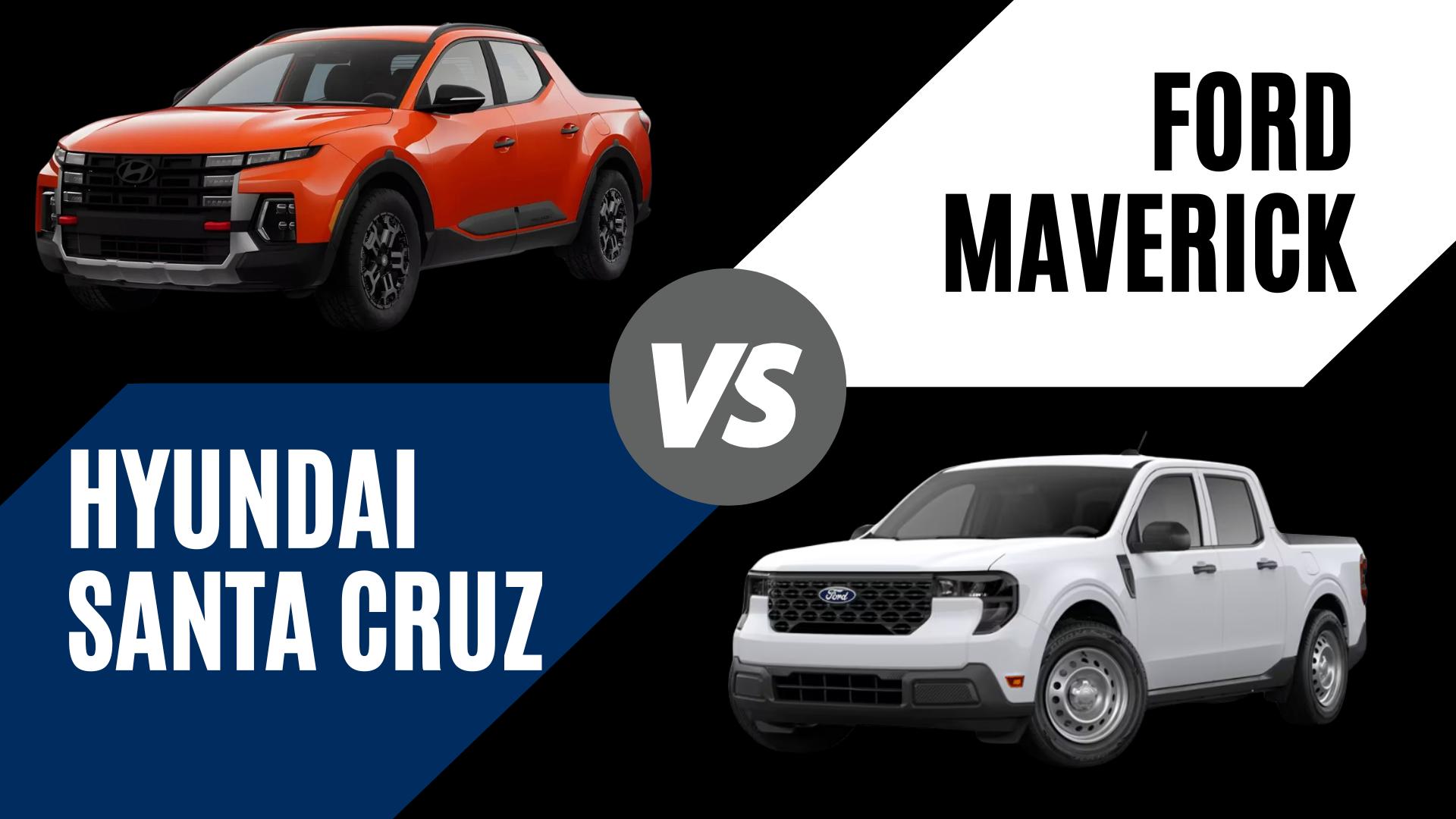
Drivers in Little Rock looking for a smaller, more manageable pickup truck often find themselves comparing two standout options: the 2026 Hyundai Santa Cruz vs 2026 Ford Maverick in Little Rock, AR. Both models offer the versatility of a truck with the drivability of a crossover, but they take different approaches to performance, comfort, and efficiency.
The Maverick focuses on affordability and fuel efficiency, especially with its available hybrid powertrain, while the Santa Cruz emphasizes a more refined driving experience, stronger performance, and a more premium feel. Choosing between them comes down to what matters most in your daily routine.
To explore trims, features, and configurations in more detail, visit the Hyundai Santa Cruz model research page.
Vehicle Comparison
2026 Hyundai Santa Cruz

- Available 281-hp Turbo Engine
- Refined Interior & Premium Cabin
- In-Bed Storage & Tonneau Cover
2026 Ford Maverick
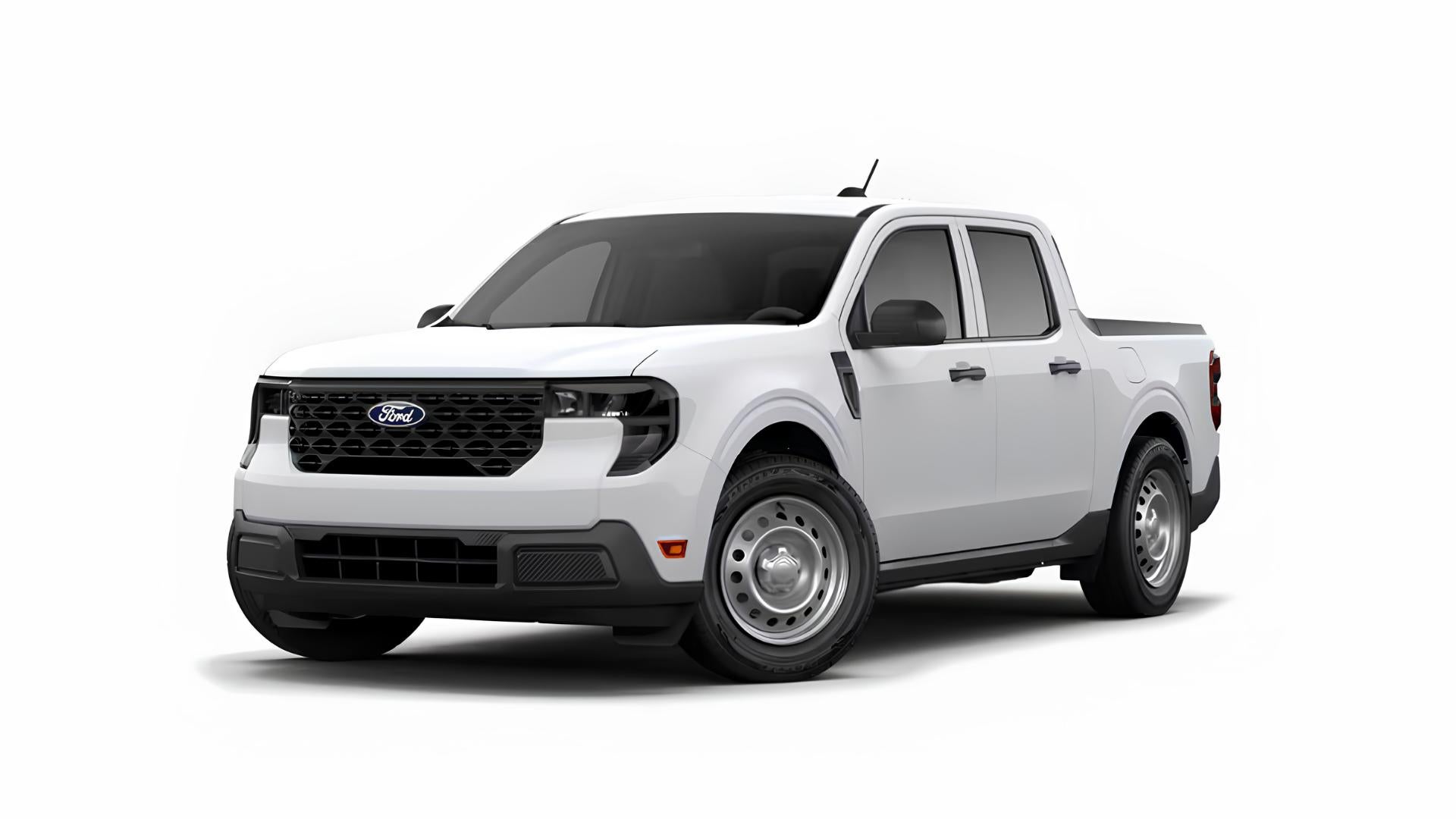
- Available Hybrid Powertrain
- 13.2-inch Touchscreen
- Practical Interior & Utility Design
Modern Sport Truck vs Traditional Compact Pickup
Design plays a big role in how these two trucks are perceived.
Hyundai gives the Santa Cruz a sportier, more modern look that blends SUV styling with pickup functionality. Its sleek lines and integrated bed design make it feel more like a lifestyle vehicle than a traditional work truck.
Ford sticks with a more classic pickup appearance for the Maverick. Its boxier shape and upright stance give it a familiar truck-like presence that appeals to drivers who want a more conventional design.
Design highlights:
- Santa Cruz: modern, sport-inspired styling
- Maverick: traditional compact truck design
- Hyundai leans more toward a refined, crossover-like look
Performance and Powertrain Options
Under the hood, these trucks offer different kinds of capability.
The Santa Cruz offers two gas engine options, including an available 281-horsepower turbocharged engine that delivers strong acceleration and confident highway performance.
The Maverick offers more variety with both a 191-horsepower hybrid powertrain and an available 250-horsepower turbocharged engine. The hybrid setup prioritizes efficiency, while the turbo engine offers a boost in performance.
Performance comparison:
- Santa Cruz: up to 281 hp with turbo engine
- Maverick: hybrid and turbo options available
- AWD available on both
- Ford offers more powertrain variety, while Hyundai delivers more top-end performance
Interior Comfort and Cabin Quality
Inside the cabin, the differences become more noticeable.
A more upscale interior design gives the Santa Cruz an advantage in overall comfort and materials. The layout feels refined, and the cabin is designed to provide a quieter, more premium driving experience.
The Maverick’s interior is more practical and utility-focused, especially in lower trims, though higher trims add more comfort and features.
Interior highlights:
- Santa Cruz: more refined materials and design
- Maverick: practical interior with available upgrades
- Both offer seating for 5
- Hyundai delivers a more premium feel overall
Technology and Connectivity
Technology is a strong point for both trucks, but the experience differs.
Hyundai equips the Santa Cruz with a 12.3-inch touchscreen and available dual digital displays, creating a modern, integrated interface. You can also explore Hyundai’s driver convenience and technology features to see how Hyundai continues to improve connectivity and usability.
Ford includes a 13.2-inch touchscreen in the Maverick, offering a slightly larger display along with standard wireless smartphone connectivity and available upgrades like premium audio.
Technology comparison:
- Santa Cruz: modern dual-screen setup available
- Maverick: larger standard touchscreen
- Both support wireless Apple CarPlay and Android Auto
- Each offers a strong tech experience with different layouts
Safety and Driver Assistance Features
Confidence behind the wheel comes from strong safety systems.
Hyundai equips the Santa Cruz with a range of driver-assistance features, including lane-keeping assist, blind-spot monitoring, and available adaptive cruise control. Drivers can also learn more about Hyundai SmartSense and safety technology and how it enhances everyday driving.
Ford includes a similar suite of standard safety features in the Maverick, such as automatic emergency braking, lane-keeping assist, and adaptive cruise control.
Safety system comparison:
- Both offer strong standard safety features
- Adaptive cruise control is available on both
- Each provides modern driver-assistance technology
Utility, Bed Features, and Towing Capability
Capability is where these compact trucks really differentiate themselves.
The Santa Cruz features a versatile bed with in-bed storage and an available tonneau cover, making it easy to secure cargo while maintaining everyday practicality.
The Maverick offers a slightly larger bed and strong utility features, along with a maximum towing capacity of up to 4,000 pounds when properly equipped.
Santa Cruz models can tow up to 5,000 pounds when equipped with the turbo engine, giving it an edge in maximum towing capability.
Capability highlights:
- Santa Cruz: innovative bed storage and up to 5,000 lbs towing
- Maverick: up to 4,000 lbs towing and practical bed design
- Ford emphasizes traditional utility, while Hyundai adds flexibility and higher towing potential
Fuel Efficiency and Everyday Driving Costs
Fuel economy is one of the Maverick’s biggest advantages.
With its hybrid powertrain, the Maverick delivers up to 23–38 MPG combined, making it one of the most fuel-efficient trucks available.
The Santa Cruz, powered by gas engines only, delivers approximately 20–25 MPG combined, focusing more on performance and capability than maximum efficiency.
Efficiency comparison:
- Santa Cruz: solid MPG for a gas-powered truck
- Maverick: significantly higher MPG with hybrid option
- Ford has the advantage for fuel savings
Ownership Value and Long-Term Benefits
Ownership experience can make a significant difference over time.
Hyundai offers one of the strongest warranty packages in the segment, along with complimentary maintenance that helps reduce long-term ownership costs. Learn more about America’s Best Warranty and how it supports long-term value.
Ford provides a more basic warranty structure and does not include complimentary maintenance, but the Maverick’s lower starting price can make it an appealing option for budget-conscious buyers.
Ownership comparison:
- Santa Cruz: longer warranty and included maintenance
- Maverick: lower starting price and strong value
- Each offers a different kind of long-term benefit
Which Truck is Right for You in Little Rock?
Both the Santa Cruz and Maverick bring unique strengths to the compact truck segment.
The Maverick is a great fit for drivers who prioritize fuel efficiency, affordability, and traditional truck utility, especially with its hybrid option.
The Santa Cruz stands out for those who want a more refined experience, stronger available performance, and a versatile design that blends comfort with capability.
For drivers comparing the 2026 Hyundai Santa Cruz vs 2026 Ford Maverick in Little Rock, AR, the right choice ultimately depends on whether efficiency or refinement is the top priority.
FAQs
Does the Ford Maverick offer a hybrid option?
Yes, the Maverick offers an available hybrid powertrain that focuses on maximizing fuel efficiency.
Which truck has more towing capacity?
The Hyundai Santa Cruz can tow up to 5,000 pounds when properly equipped, while the Ford Maverick can tow up to 4,000 pounds with the available tow package.
Which is better for daily driving, the Santa Cruz or Maverick?
The Santa Cruz offers a more refined and comfortable driving experience, while the Maverick is more focused on efficiency and affordability.

Comparing Efficiency, Value, and Everyday Comfort in Little Rock
Compact SUV shoppers in Little Rock are often trying to find the right balance between fuel efficiency, affordability, and everyday usability. That’s exactly what makes the 2026 Hyundai Tucson vs 2026 Toyota RAV4 in Little Rock, AR comparison so relevant.
These two SUVs approach that balance differently. Toyota has moved the RAV4 lineup toward hybrid-only efficiency, while Hyundai continues to offer a traditional gas-powered Tucson alongside an available hybrid option. That flexibility plays a big role in how each model fits different driving needs and budgets.
If you want to explore trims and features in more detail, check out the Hyundai Tucson model research page.
Vehicle Comparison
2026 Hyundai Tucson

- 12.3-inch Digital Display
- Spacious Interior & Cargo
- Complimentary Maintenance
2026 Toyota RAV4

- Toyota Hybrid System
- Toyota Safety Sense
- 10.5-12.9-inch Touchscreen
Modern Styling vs Rugged Familiarity
Design direction is one of the first things drivers notice.
A sleek and modern look gives the Tucson a more refined presence, with sharp lines and a design that feels closer to a premium SUV than a typical compact crossover.
Toyota leans into a more rugged aesthetic with the RAV4. Its boxier shape and aggressive styling cues give it a durable, outdoors-ready appearance that many drivers still appreciate.
What stands out:
- Tucson: modern, upscale design
- RAV4: rugged, traditional styling
- Hyundai feels more refined overall
Power and Daily Driving Performance
How these SUVs perform during everyday driving can shape long-term satisfaction.
Smooth acceleration and a composed ride define the Tucson’s driving experience. Its 187-horsepower engine isn’t built for speed, but it delivers consistent performance that works well for commuting and highway travel.
With its hybrid system, the RAV4 produces up to 236 horsepower and feels quicker off the line. The added electric assistance gives it a stronger low-speed response, especially in stop-and-go traffic.
How they compare on the road:
- Tucson: smooth, balanced driving feel
- RAV4: quicker acceleration from hybrid power
- AWD available on both
- Toyota delivers more immediate responsiveness
Interior Comfort and Usable Space
Interior space and comfort often matter more over time than initial impressions.
A roomier cabin gives the Tucson an edge, especially for rear passengers. The layout feels open, and cargo space is generous for a compact SUV, making it practical for both daily errands and longer trips.
The RAV4 offers solid interior space and functionality, but it doesn’t feel quite as open or refined as the Tucson’s cabin.
Space and comfort highlights:
- Tucson offers more rear-seat room
- Both seat 5 passengers
- RAV4 provides practical cargo space
- Hyundai delivers a more comfortable overall interior
Technology and Everyday Usability
Technology should make driving easier, not more complicated.
A clean and modern interface defines the Tucson’s tech experience, with a 12.3-inch display and an available dual-screen layout that separates driver information from infotainment functions. You can also explore Hyundai’s driver convenience and technology features to see how Hyundai continues to improve connectivity and usability.
Toyota offers a 10.5-inch standard touchscreen with an available 12.9-inch upgrade in the RAV4. While the system is capable, it relies more heavily on a single central display.
Technology differences:
- Tucson: intuitive dual-screen layout available
- RAV4: larger available touchscreen
- Both support wireless smartphone connectivity
- Hyundai focuses on ease of use
Safety and Driver Assistance Features
Confidence behind the wheel comes from strong safety systems.
Hyundai equips the Tucson with a wide range of driver-assistance features, including forward-collision warning, lane-keeping assist, and available adaptive cruise control with lane-centering. Drivers can also learn more about Hyundai SmartSense and safety technology and how it enhances everyday driving.
Toyota includes a similarly comprehensive safety system in the RAV4, with features like adaptive cruise control, lane-keeping assist, and automatic emergency braking included as standard.
Safety system comparison:
- Advanced safety features are standard on both
- Both include adaptive cruise control and lane assist
- Each SUV offers strong driver-assistance coverage
Fuel Efficiency and Powertrain Flexibility
This is where the biggest difference between these two SUVs shows up.
The RAV4 is now offered as a hybrid-only model, delivering up to 38 to 43 MPG combined, which is a major advantage for fuel-conscious drivers.
Gas-powered Tucson models deliver up to 26 to 28 MPG combined, providing solid efficiency without requiring a hybrid system. Drivers who want even better fuel economy can also consider the Hyundai Tucson Hybrid to see how it compares.
That flexibility gives the Tucson broader appeal, especially for drivers who want to balance upfront cost with long-term fuel savings.
Efficiency comparison:
- Tucson: strong MPG for a gas SUV with a hybrid option available
- RAV4: higher MPG with hybrid-only design
- Hyundai offers more flexibility in how you choose efficiency
Ownership Value and Long-Term Costs
Long-term ownership can be just as important as day-one features.
Hyundai stands out with one of the best warranty packages in the segment, along with complimentary maintenance that helps reduce overall ownership costs. Learn more about America’s Best Warranty and how it supports long-term value.
Toyota offers solid reliability and includes two years of complimentary maintenance, but its warranty coverage is shorter by comparison.
Ownership advantages:
- Tucson: longer warranty and more maintenance coverage
- RAV4: shorter warranty with limited maintenance
- Hyundai delivers stronger long-term value
Why the Hyundai Tucson is a Smart Choice in Little Rock
Both SUVs bring different strengths to the table.
The RAV4 is a strong option for drivers who prioritize maximum fuel efficiency and want a hybrid-focused driving experience.
For those comparing the 2026 Hyundai Tucson vs 2026 Toyota RAV4 in Little Rock, AR, the Tucson offers a more well-rounded approach. A comfortable interior, intuitive technology, flexible powertrain options, and better ownership coverage make it a better fit for a wider range of drivers.
FAQs
Is the 2026 Toyota RAV4 only available as a hybrid?
Yes, the 2026 RAV4 is offered exclusively with hybrid and plug-in hybrid powertrains.
Does the Hyundai Tucson offer both gas and hybrid options?
Yes, the Tucson lineup includes both traditional gas engines and hybrid models, giving drivers more flexibility.
Which SUV is better for long-term value?
The Hyundai Tucson stands out thanks to its extended warranty coverage and complimentary maintenance.
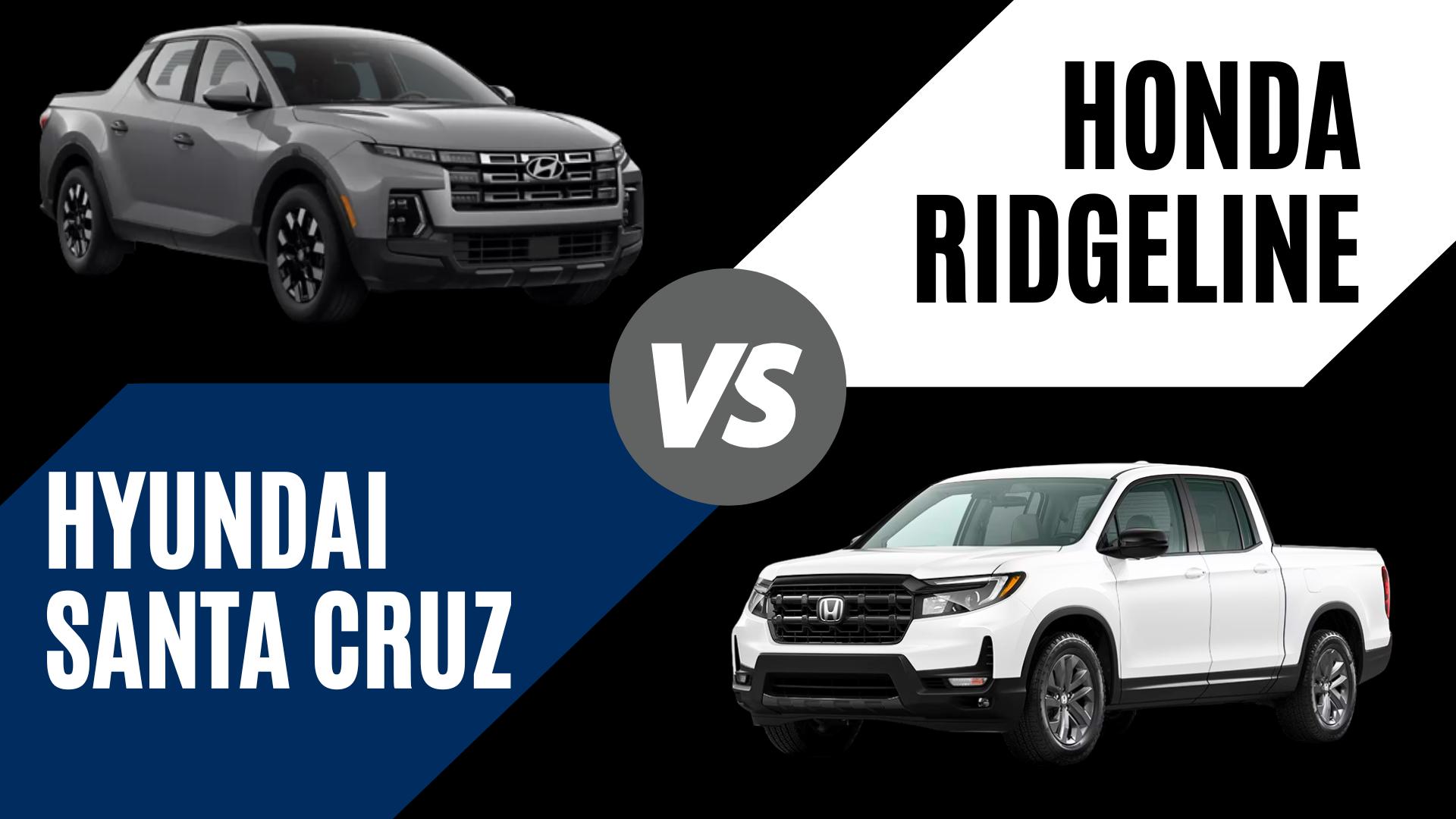
Truck buyers in Little Rock often want something that blends everyday comfort with practical capability. Whether you’re commuting across I-630, running errands in West Little Rock, or planning a weekend trip outside the city, versatility matters. That’s why many drivers are comparing the 2026 Hyundai Santa Cruz vs 2026 Honda Ridgeline in Little Rock, AR.
These two pickups move away from the rough ride of traditional trucks, offering smoother handling and more refined interiors. Still, differences in performance, design, efficiency, and ownership value make one stand out depending on your priorities.
Vehicle Comparison
2026 Hyundai Santa Cruz
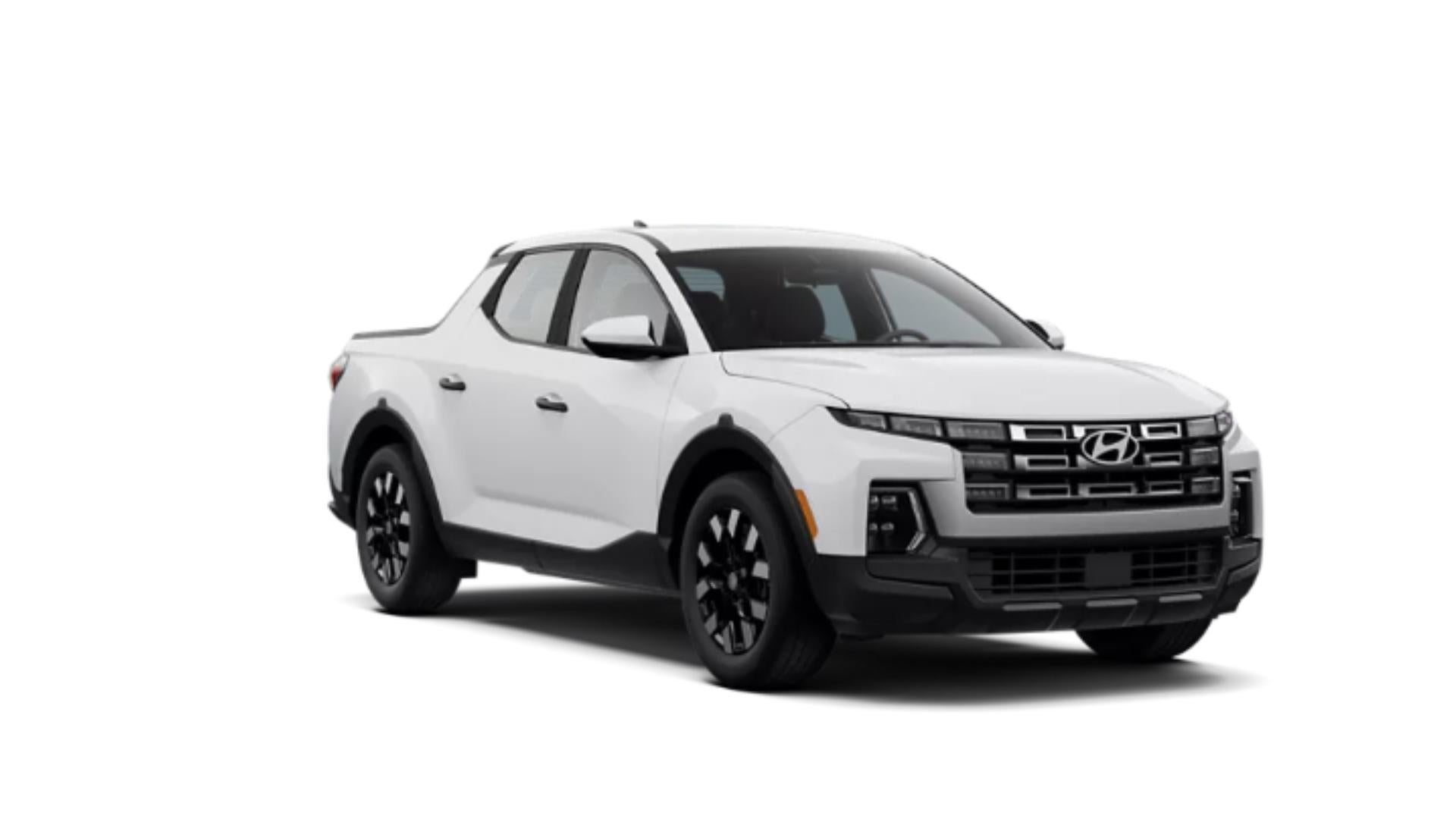
- Turbocharged AWD powertrain
- 4.3-foot bed with underfloor storage
- 12.3-inch infotainment display
2026 Honda Ridgeline
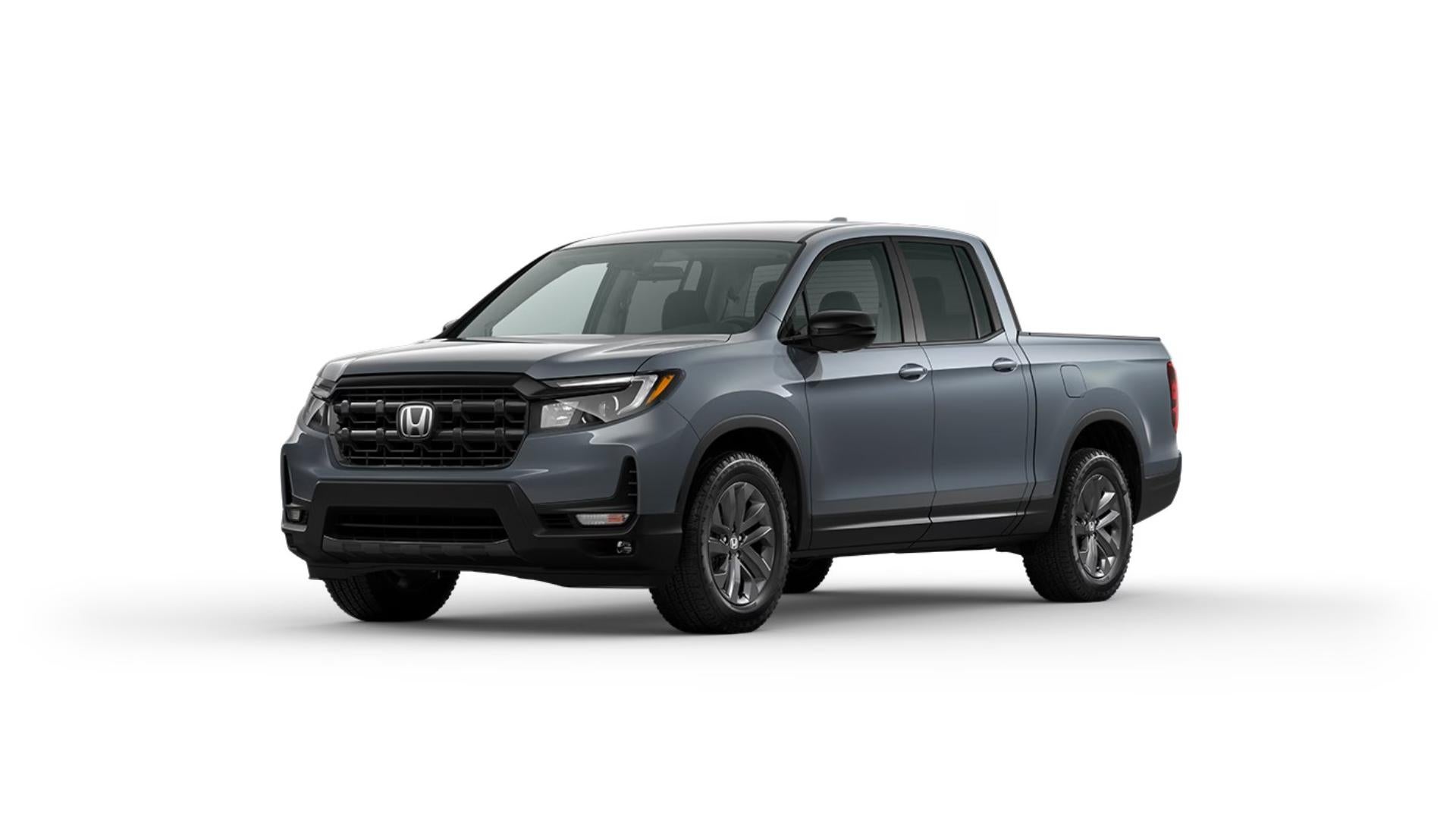
- Standard AWD V6 powertrain
- 5.3-foot bed with in-bed trunk
- 9-inch infotainment touchscreen
Compact Agility or Traditional Size?
Size and maneuverability can make a big difference in daily driving.
The Santa Cruz is built with a compact footprint, making it easier to navigate tighter streets and parking areas around downtown Little Rock. Its integrated bed design keeps things functional without adding unnecessary bulk.
The Ridgeline is larger, with a longer bed and more traditional truck proportions. It feels more like a midsize pickup, which can be beneficial for certain hauling needs.
If city driving is a big part of your routine, the Santa Cruz offers a clear advantage in agility.
Powertrains and Driving Feel
Performance is another area where these trucks differ in approach.
The Santa Cruz offers:
- 191-horsepower base engine
- 281-horsepower turbocharged option
The turbocharged setup delivers quicker acceleration and a more responsive feel, especially useful when merging into faster-moving traffic.
The Ridgeline includes:
- 280-horsepower V6
- Standard AWD
- Smooth, consistent power delivery
It’s designed for predictability rather than performance variation.
Drivers who want more control over performance will appreciate the Santa Cruz’s options.
Interior Comfort and Utility
Inside, the Santa Cruz focuses on a modern driving experience. Its available dual-screen setup and clean dashboard layout create a more upscale feel.
The Ridgeline, on the other hand, prioritizes space and utility. Its rear seating area is among the roomiest in its class, and its in-bed trunk adds extra convenience for storage.
Each truck offers something different:
- Santa Cruz: Modern design and tech-focused cabin
- Ridgeline: Practical layout with added storage features
Technology Comparison
Technology plays a key role in daily usability.
The Santa Cruz includes:
- 12.3-inch touchscreen
- Wireless Apple CarPlay and Android Auto
- Available premium audio
The Ridgeline offers:
- 9-inch touchscreen
- Wireless smartphone connectivity
- Standard wireless charging
The Santa Cruz delivers a more visually modern tech experience, while the Ridgeline keeps things simple and functional.
Safety and Driver Assistance
Both trucks come equipped with advanced safety features designed for busy roads.
The Santa Cruz includes:
- Forward collision avoidance
- Lane-keeping assist
- Blind-spot monitoring
The Ridgeline includes:
- Adaptive cruise control
- Collision mitigation braking
- Lane-keeping assist
Each provides strong driver assistance for commuting and highway travel. Hyundai SmartSense is just one of many reasons to choose the Santa Cruz.
Efficiency and Capability
Here’s how they compare when it comes to performance and efficiency:
Hyundai Santa Cruz
- Up to 30 mpg highway
- Up to 5,000 lbs towing
- AWD available or standard (turbo)
Honda Ridgeline
- Up to 24 mpg highway
- Up to 5,000 lbs towing
- AWD standard
The Santa Cruz stands out for fuel efficiency, while both deliver similar towing capability. Learn more about the Santa Cruz’s towing power.
Ownership Advantages
When considering long-term ownership, warranty coverage becomes important.
Hyundai includes:
- 10-year/100,000-mile powertrain warranty
- 5-year/60,000-mile limited warranty
- 3 years complimentary maintenance
Honda offers shorter coverage overall.
This difference can be a deciding factor for buyers planning to keep their truck for several years. Learn more about America’s Best Warranty.
Which Truck Fits Life in Little Rock?
Both the Ridgeline and Santa Cruz offer comfort and everyday usability.
The Ridgeline appeals to drivers who want a more traditional truck feel with added interior space. However, the Santa Cruz offers a more flexible and efficient option for most Little Rock drivers. Its compact design, available turbo performance, and modern technology make it well-suited for both city driving and weekend use.
At Crain Hyundai of Little Rock, the 2026 Hyundai Santa Cruz stands out as a smart choice for drivers who want capability without compromise. Visit today to explore the current inventory and see how it fits your needs.
Frequently Asked Questions
Which truck is better for daily commuting?
The Santa Cruz is easier to maneuver and offers better fuel efficiency, making it ideal for city driving.
Do both trucks have the same towing capacity?
Yes. Both can tow up to 5,000 pounds when properly equipped.
Which model offers better long-term coverage?
The Santa Cruz provides longer warranty protection and more included maintenance.
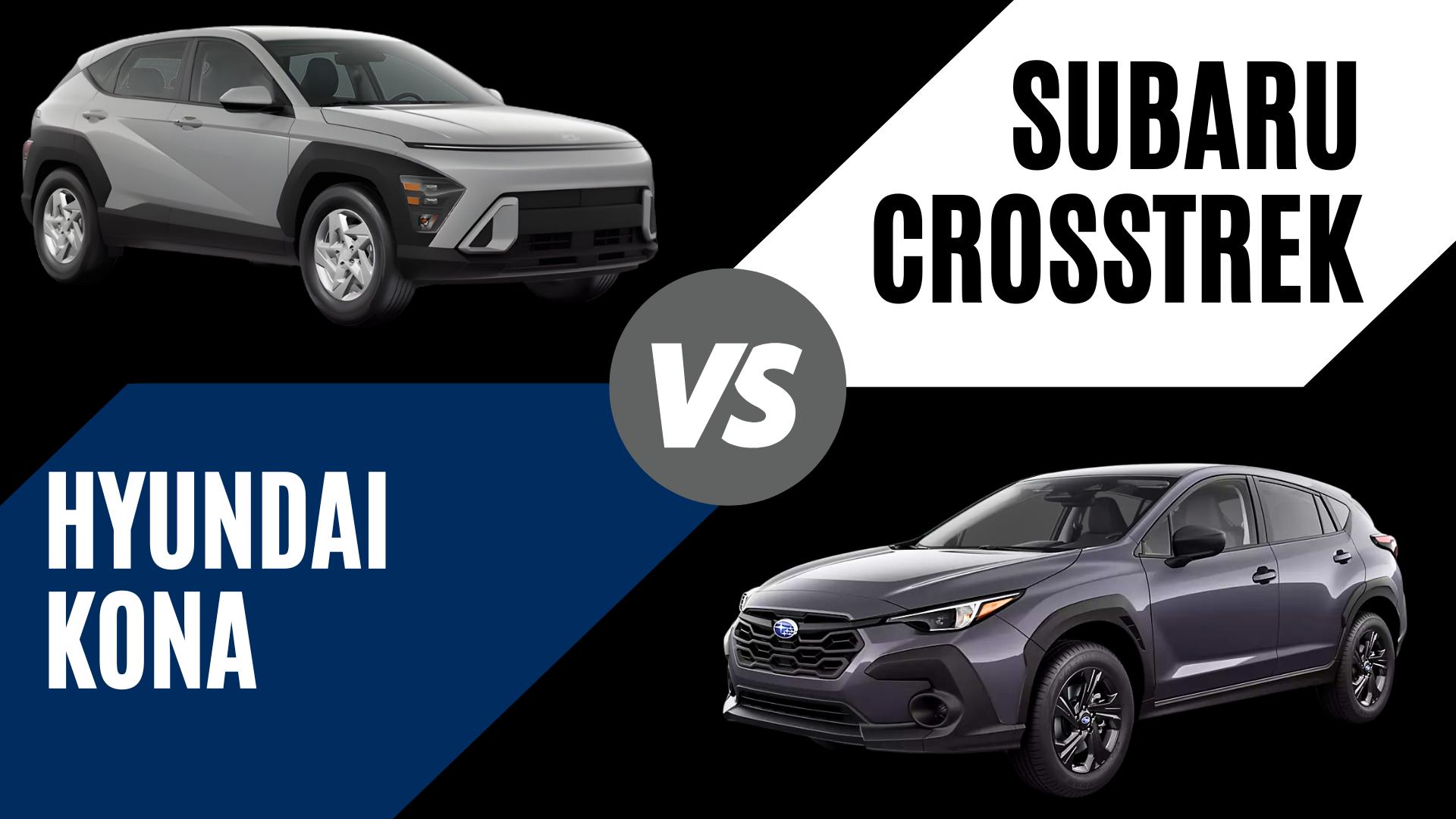
Choosing the right compact SUV in Little Rock means balancing city driving comfort with the flexibility to handle weekend plans across Central Arkansas. From commuting through downtown Little Rock to heading out toward Pinnacle Mountain or Conway, drivers need something efficient, capable, and easy to live with every day. That’s why so many shoppers are comparing the 2026 Hyundai Kona vs 2026 Subaru Crosstrek in Little Rock, AR.
Both models check important boxes like safety technology, all-wheel drive capability, and practical sizing. But once you start comparing performance options, interior space, technology, and long-term value, clear differences begin to emerge.
Vehicle Comparison
2026 Hyundai Kona
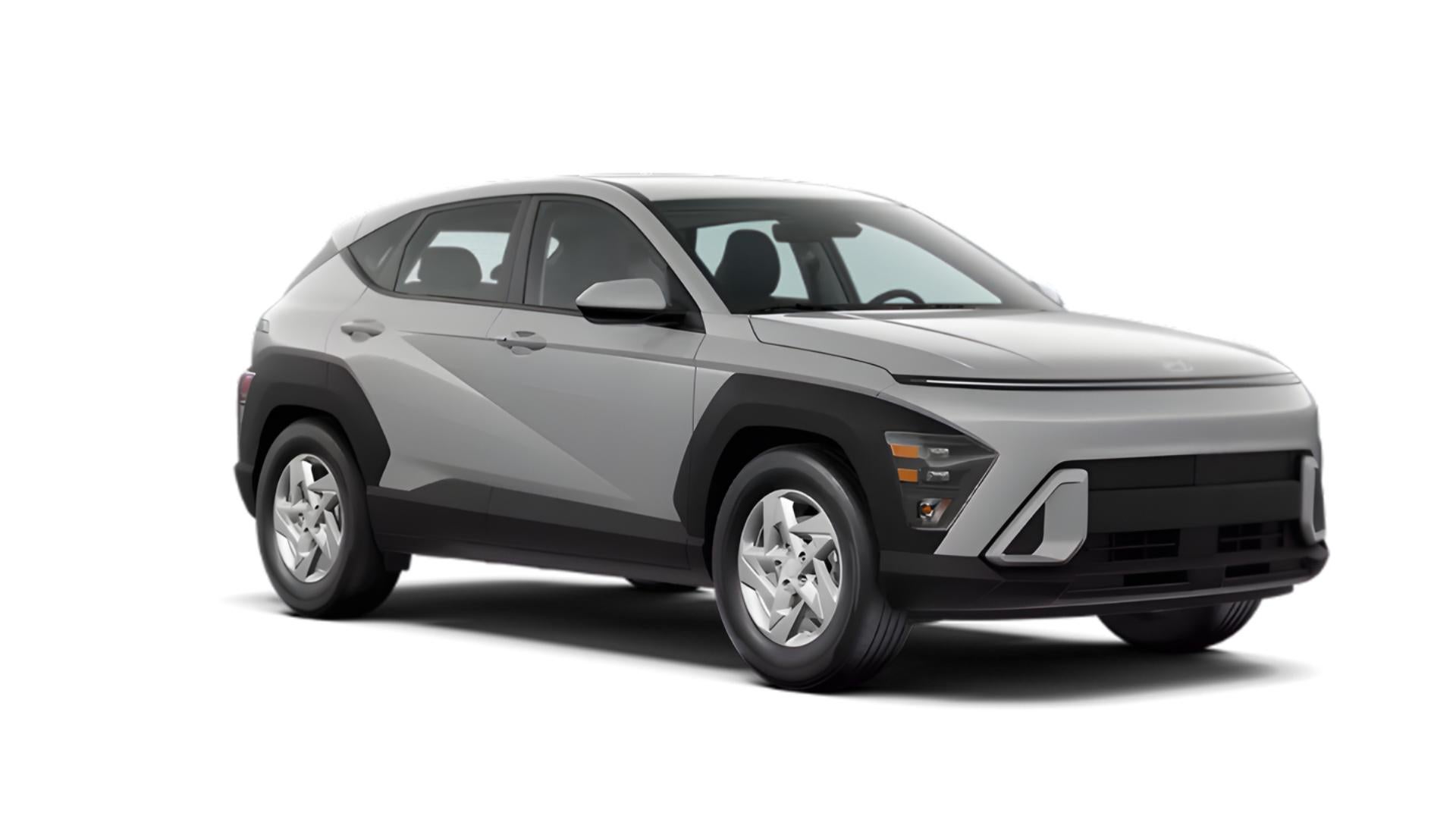
- 12.3-inch standard touchscreen
- Available 190-hp turbo engine
- 10-year/100,000-mile powertrain warranty
2026 Subaru Crosstrek
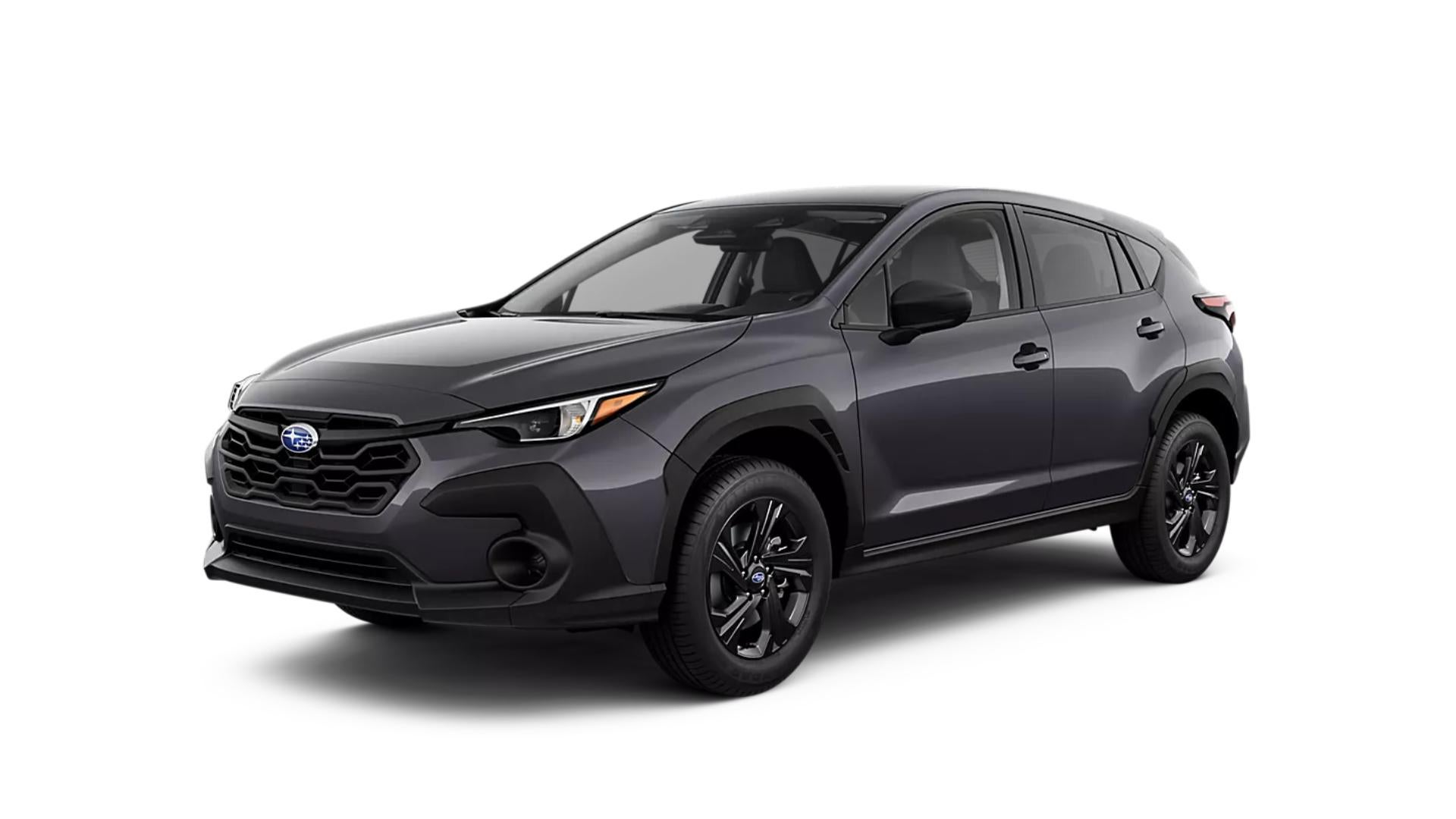
- Available 11.6-inch touchscreen
- 180-hp 2.5L engine
- 5-year/60,000-mile powertrain warranty
A Look at Design and Road Presence
Each of these SUVs brings a distinct personality to the road.
The Hyundai Kona leans into a clean, modern design. Its slim lighting elements, sculpted body lines, and wide stance give it a refined look that fits naturally in urban settings like downtown Little Rock or The Promenade at Chenal. It feels contemporary without being overstyled.
The Subaru Crosstrek takes a more rugged approach. With its raised ride height, protective cladding, and bold accents, it’s designed to look ready for trails and rougher terrain. The Wilderness trim pushes that even further with increased ground clearance and off-road-focused styling.
Drivers who prefer a polished, city-friendly design may find the Kona more appealing. Those who like a more outdoors-inspired look will appreciate what the Crosstrek offers.
Performance and Daily Driving Feel
How a vehicle drives day to day can make a big difference, especially in a mix of city traffic and highway travel.
The Kona gives you options under the hood:
- 147-horsepower 2.0L engine for smooth, efficient driving
- 190-horsepower turbocharged engine for stronger acceleration
That available turbo engine brings noticeable energy, which helps when merging onto I-630 or navigating faster traffic on I-30. It adds a level of responsiveness that stands out in this segment.
The Crosstrek keeps things simple with:
- 180-horsepower 2.5L engine
- CVT transmission
- Standard Symmetrical All-Wheel Drive
Its focus is on consistency and control rather than speed. The ride feels stable, and Subaru’s AWD system continuously adjusts to changing road conditions. Features like X-Mode and hill descent control add confidence when roads aren’t ideal.
If you want more power options and a livelier drive, the Kona has the edge. If standard AWD and a steady ride are your priorities, the Crosstrek delivers.
Interior Layout and Space
Step inside the Kona and you’ll notice a strong emphasis on modern design. The dashboard flows horizontally, anchored by a standard 12.3-inch touchscreen, with available dual-screen displays that create a seamless digital experience.
Interior dimensions in the Kona include:
- 38.2 inches of rear legroom
- 25.5 cubic feet of cargo space behind the rear seats
- Up to 63.7 cubic feet of total cargo capacity
That extra space is useful for everyday errands, whether you’re loading up at local shops or packing for a weekend trip out of the city.
The Crosstrek offers a straightforward, functional cabin with:
- 36.5 inches of rear legroom
- 20 cubic feet of cargo space behind the second row
- 55 cubic feet of maximum cargo space
It’s comfortable and practical, but the design feels more traditional compared to the Kona’s modern layout.
Both SUVs are usable and comfortable, but the Kona offers more flexibility and a more updated interior feel.
Technology Features That Stand Out
Technology is an area where the Kona consistently impresses across all trims.
Standard and available features include:
- 12.3-inch touchscreen on every trim
- Wireless Apple CarPlay and Android Auto
- Available Bose premium audio
- Hyundai Bluelink connected services
- Over-the-air updates
This means even entry-level Kona models feel well-equipped without needing upgrades.
The Crosstrek’s tech setup depends more on trim level:
- Standard 7-inch touchscreen
- Available 11.6-inch vertical display
- Smartphone integration (wireless on higher trims)
- Available Harman Kardon sound system
While higher trims offer strong features, the base setup is more limited compared to the Kona.
For drivers who want strong tech right away, the Kona stands out.
Safety Features for Peace of Mind
Both SUVs are designed with safety in mind, which is especially important for navigating busy Little Rock roads.
The Kona includes Hyundai SmartSense features like:
- Forward collision avoidance assist
- Adaptive cruise control
- Lane-keeping assist
- Blind-spot monitoring
- Rear cross-traffic alert
The Crosstrek features Subaru EyeSight, which includes:
- Adaptive cruise control with lane centering
- Pre-collision braking
- Lane departure warning
- Available emergency steering assist
Both models offer strong safety coverage, making them solid choices for commuting, family driving, or longer trips. Check out why the Kona was named an IIHS Top Safety Pick.
Fuel Economy and Capability
When comparing efficiency and capability, each model offers a slightly different approach.
2026 Hyundai Kona
- Up to 190 horsepower (turbo)
- Available AWD
- Up to 31 mpg combined (FWD)
2026 Subaru Crosstrek
- 180 horsepower
- Standard AWD
- Up to 29 mpg combined
The Crosstrek simplifies things with standard AWD, while the Kona gives drivers more flexibility to choose between efficiency and performance.
Long-Term Value and Ownership
Ownership costs can make a significant difference over time.
Hyundai offers strong coverage with:
- 5-year/60,000-mile limited warranty
- 10-year/100,000-mile powertrain warranty
- 3 years of complimentary maintenance
Subaru includes:
- 3-year/36,000-mile limited warranty
- 5-year/60,000-mile powertrain warranty
While both brands are known for reliability, Hyundai’s extended warranty adds extra reassurance for long-term ownership.
Which SUV Makes More Sense in Little Rock?
The Crosstrek continues to be a great fit for drivers who prioritize standard AWD and a rugged driving character.
However, the Kona delivers a more balanced experience for a wide range of drivers in Little Rock. With its available turbo engine, larger standard display, added cargo space, and longer warranty coverage, it adapts well to both daily commutes and weekend plans.
At Crain Hyundai of Little Rock, the 2026 Hyundai Kona stands out as a smart, versatile choice for drivers who want modern features and long-term value in a compact SUV. If you’re ready to explore your options, visit Crain Hyundai of Little Rock to see the latest Kona models in person.
Frequently Asked Questions
Is the Hyundai Kona quicker than the Subaru Crosstrek?
Yes. The available turbocharged Kona produces more horsepower and delivers faster acceleration compared to the Crosstrek’s standard engine.
Do both SUVs come with all-wheel drive?
The Crosstrek includes AWD on every model, while the Kona offers it as an available option across all trims.
Which SUV is better for cargo and storage?
The Kona offers more maximum cargo space, giving it an advantage for drivers who need extra room for gear or daily use.
Connect with us


Recent Blog Entries
- 2026 Hyundai Ioniq 5 vs Tesla Model Y in Little Rock, AR
- 2026 Hyundai Tucson vs Nissan Rogue in Little Rock, AR
- 2025 Hyundai Ioniq 6 vs 2026 Tesla Model 3 in Little Rock, AR
- Best SUV for Growing Families in Little Rock, AR: Hyundai Santa Fe vs Honda CR-V
- Hyundai Boulder Concept SUV Debuts: What It Means for Little Rock Drivers
Categories
Crain Hyundai of Little Rock

Address
11715 Colonel Glenn Rd
Little Rock, AR 72210
Phone
- Main 501-438-0582
| Monday | 9:00AM - 7:00PM |
| Tuesday | 9:00AM - 7:00PM |
| Wednesday | 9:00AM - 7:00PM |
| Thursday | 9:00AM - 7:00PM |
| Friday | 9:00AM - 7:00PM |
| Saturday | 9:00AM - 6:00PM |
| Sunday | Closed |
| Monday | 7:00AM - 6:00PM |
| Tuesday | 7:00AM - 6:00PM |
| Wednesday | 7:00AM - 6:00PM |
| Thursday | 7:00AM - 6:00PM |
| Friday | 7:00AM - 6:00PM |
| Saturday | Closed |
| Sunday | Closed |
| Monday | 7:00AM - 6:00PM |
| Tuesday | 7:00AM - 6:00PM |
| Wednesday | 7:00AM - 6:00PM |
| Thursday | 7:00AM - 6:00PM |
| Friday | 7:00AM - 6:00PM |
| Saturday | Closed |
| Sunday | Closed |
